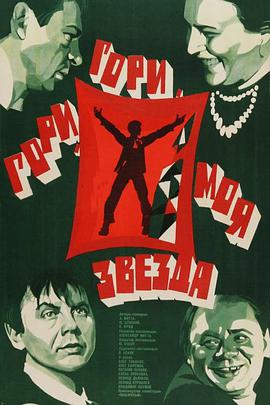
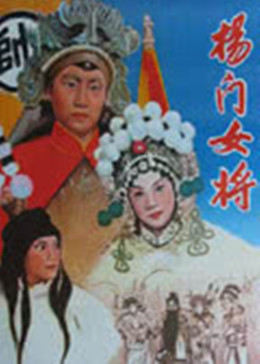
A heroic fantasy about an artist’s destiny at the tumultuous time of social transformations. One of director Alexander Mitta’s best films. The south of Russia, 1920. In a town square, a mono-performance is on, based on Shakespeare’s “Julius Caesar”. The film’s hero who took the pseudonym “Revarm”, which stands for “Revolutionary Art for the Masses”, is seriously interested in theatre. The real life and the stage one are intertwined in his destiny. In a provincial town where the power continuously changes hands, going from the Reds to the Whites, from the Whites to a band of the Greens, this youthful stage reformer, endowed with the gift of persuasion, attracts people to his cause, leaving no one indifferent.
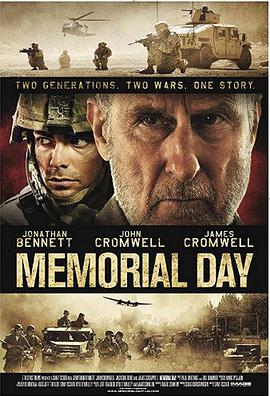
Memorial Day, 1993. When 13-year-old Kyle Vogel discovers the World War II footlocker belonging to his grandfather, Bud, everyone tells Kyle to put it back. Luckily, he ignores them. Although Bud has never talked about the war, he finds himself striking a deal with his grandson: Kyle can pick any three souvenirs, and Bud will tell him the stories behind each one. Memorial Day not only takes us on a journey into Bud's complicated wartime past, but also into Kyle's wartime future. As the two men share parallel experiences in combat, they come to realize how that magical day on the porch shaped both of their lives.
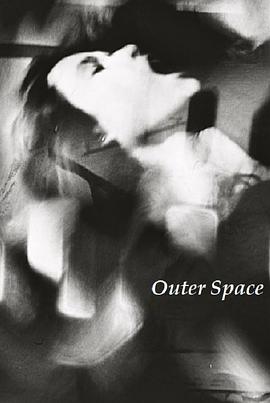
Guy Maddin writes, "Tscherkassky has made two films cannibalizing Sidney J. Furie's 1982 Barbara Hershey horror film THE ENTITY, the story of a woman who is continually assaulted and raped either by real ghosts or by awfully adept repressed traumas… The screen literally explodes with a tumult of Hershey faces, shattering Steve Burum's original cinematography into shards of frightened eyes, trembling hands and violent outbursts of self-defense, presented in multiple exposures too layered to count, too arresting to ignore."