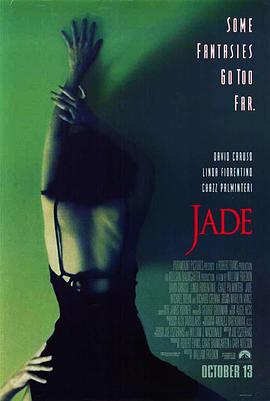
玉焰
警方人员发现一具被挂在墙上血肉模糊的男性尸体,从他的穿着可知此人属有钱人家;探长在房间内仔细地逐一细看下,终于发现房内摆放着精致的细小纸盒,每一个盒内载着一小撮女人之物,而其中一个放着的是一张列满女人名字的纸条,“玉”是其中一个名字,由于名字是以中国字书写的,因此引起探长的注目,案件亦由此开始逐步揭开,终于发现……
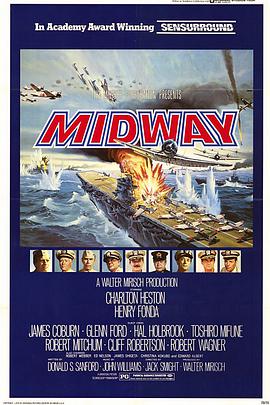
中途岛之战
七十年代出品的大型战争片之一,焦点是美国与日本海军对垒的中途岛战役。在当年的一批同类电影之中,本片不算是突出之作,导演杰克.斯米特的处理手法相对比较平庸,但超级明星阵容却可以令今天的观众重睹上一代巨星风采,而海战的场面也实在拍得逼真,使本片仍维持了相当的趣味性。主演的巨星包括:查尔顿.赫斯登、亨利.方达、格伦.福特、罗伯特.米彻姆、克里夫.罗布森、詹姆斯.科伯恩、三船敏郎。当时还是新人的汤姆.塞莱克也露脸演了一个小角色。
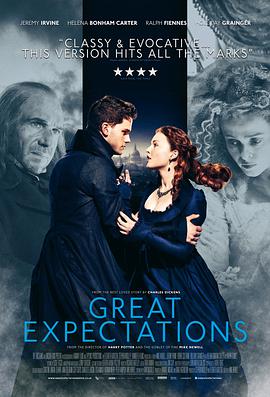
远大前程2012
故事发生在十九世纪的英国,皮普(杰瑞米·艾文 Jeremy Irvine 饰)从小成长于贫苦家庭之中,看着他长大的是个性暴躁的姐姐和杰夫乔(杰森·弗莱明 Jason Flemyng 饰)。一次偶然中,皮普来到了一幢神秘的庄园之中,在那里住着的是他的雇主哈文森姆小姐(海伦娜·伯翰·卡特 Helena Bonham Carter 饰)和她的侄女艾斯黛拉(霍利·格林格 Holly Grainger 饰)。
随着时间的推移,皮普深深的爱上了性格冷艳高贵的艾斯黛拉,深知自己配不上她的皮普在内心里燃起了想要跻身于上流社会的念头。一笔突然到来的神秘财产让皮普得以实现了他长久以来的愿望,他来到了伦敦,开始了自己的“变身计划”,而此时的他并不知道,本以为是时来运转,但自己不过只是棋盘上的一颗棋子而已。

走投无路1986
戏剧改编;前面受害者与强奸犯的对峙拍的异常真实,费拉·福赛特对受害者的情绪和反映均给出了异常可信的表演。但随后两名女室友的介入,话剧的感觉就全出来了,打破了原有的那股力量。室友替罪犯说话,受害者的辩护开始变得有些矫情。

同胞
故事以岩手县的松尾村为背景,讲述东京统一剧团的统筹河野秀子(倍赏千惠子)到访当地,希望游说青年会合作制作一出名为「故乡」的音乐剧。身为会长的齐藤高志(寺尾聪)虽然大力支持,但由于经费、场地等问题,公演受到极大阻力。高志和秀子最后排除万难,终于得偿所愿,为千多名观众送上最真挚动人的一夜。为拍摄此片,山田及其制作班底花了一年多时间,实地考察统一剧团的地方公演。
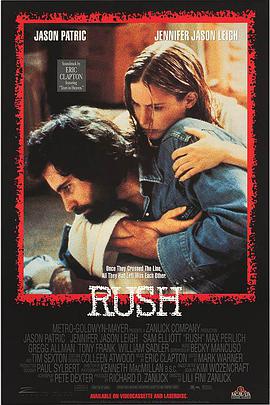
毒海情迷
Raynor is an undercover narcotics cop. For his next assignment he chooses the more inexperienced but tough and good-looking Kristen. Their ultimate target is Gaines, a renowned but very elusive drug dealer. While doing their work they unexpectedly fall into a morase of drug-addiction and fall in love with each other. Despite subjecting themselves to the life of low class, one track junkies they do not get the evidence they want to convict Gaines, and instead are forced into using false evidence in court.
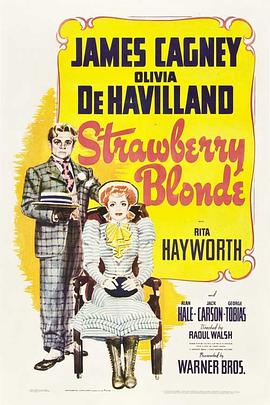
草莓金发
比夫(詹姆斯·贾克内 James Cagney 饰)和雨果(杰克·卡森 Jack Carson 饰)曾是感情十分要好的朋友,可是,两人共同爱上了名为维吉尼亚(丽塔·海华斯 Rita Hayworth 饰)的性感女郎。为了能够和维吉尼亚约会,雨果叫上了比夫,而维吉尼亚则带着自己的好友艾米(奥利维娅·德哈维兰 Olivia de Havilland 饰)。为了追求维吉尼亚,比夫几乎花光了自己的所有积蓄,可是,最终他得知,维吉尼亚已经和雨果私奔了。比夫崩溃了,艾米留在他的身边安慰和陪伴着他,久而久之,产生了感情的两人走到了一起。
当雨果和比夫再见面之时,他已经成为了公司经理,可当雨果的公司因为贪污受贿而遭到指控时,比夫却成为了替罪羊。

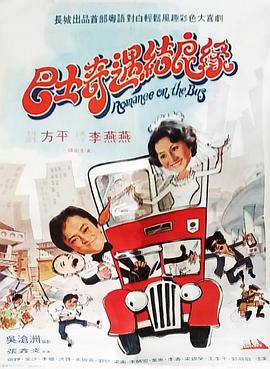
巴士奇遇结良缘1978
巴士售票员阿义见义勇为,在巴士上救援了受扒手欺侮的少女阿珍。阿珍活泼美丽,两人不久坠入爱河。婚后,他们共创幸福生活,有了可爱的儿子。阿义在家和在工作岗位上勤勤恳恳,但是,巴士售票员的工作很辛苦,生活也无规律,阿义亲眼目睹一位老售票员因为胃出血而惨死。不久,公司为了节约开支,实行无人售票,阿义失去了工作。为了生活,他拼命学习驾驶技术,在阿珍的支持下,他总算当了司机,保住了饭碗。
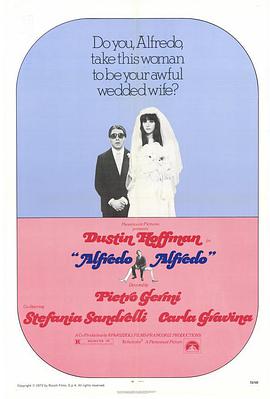
阿尔弗雷多先生的离婚噩梦
并不出众的阿尔弗雷多爱上了一个年轻貌美的女孩,很快与女孩陷入热恋结为夫妻。之后阿尔弗雷多被女孩疯狂的爱情占有欲和众多怪癖弄得不堪忍受,渴望从归自由的他开始了痛苦的婚姻生活和艰难的离婚之旅....... 意大利喜剧大师皮亚托.杰米(《意大利式离婚》)的又一喜剧杰作。
绑架新娘
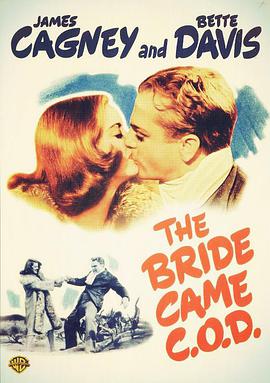
琼(贝蒂·戴维斯 Bette Davis 饰)是衔着金汤匙出生的千金小姐,她的生活虽然富足,但并不快乐,因为她缺少一样东西,那就是自由。一次偶然中,琼邂逅了名为艾伦(杰克·卡森 Jack Carson 饰)的乐队指挥,琼一下子被他的风度翩翩给吸引了,两人火速发生了关系,并且决定私奔结婚。
女儿的失踪令琼的父亲感到非常的着急,他找来了技术十分了得的飞机师史蒂夫(詹姆斯·卡格尼 James Cagney 饰),委托他驾驶飞机将自己的女儿带回德州。哪知道琼误以为史蒂夫是绑架犯,千方百计的想要从飞机上逃走,闹出了一连串的笑话。祸不单行,在沙漠上空,史蒂夫的飞机发生了故障,一行人被迫降落在了茫茫的沙海之中。
O somma luce
转自:
http://www.filmlinc.com/nyff/2010/views-from-the-avant-garde-friday-october-1/views-from-the-avant-garde-jean-marie-straub
“The end of paradise on earth.”—Jean-Marie Straub
The 33rd verse and last chant of “paradise” in Dante’s Divine Comedy. The film starts with verse 67, “O somma luce…” and continues to the end. “O Somma luce” recalls the first words uttered by Empedocles in Danièle Huillet and Jean-Marie Straub’s 1987 The Death of Empedocles—“O himmlisch Licht!…” (O heavenly light!). This extract from Hölderlin’s text is also inserted into their 1989 film Cézanne.
“O somma luce” invokes utopia, or better still “u-topos,” Dante, Holderlin, Cézanne… the camera movement, recalling Sisyphus, in the film’s long shots, suggests its difficulty.
In O somma luce, with Giorgio Passerone’s Dante and the verse that concluded the Divine Comedy, we find at the extremity of its possibilities, the almost happy speech of a man who has just left earthly paradise, who tries to fully realize the potential of his nature. Between the two we find the story of the world. The first Jean-Marie Straub film shot in HD.
So singular are the textual working methods of Straub-Huillet, and now Straub on his own, that it is hard to grasp how far reaching they are. Direction is a matter of words and speech, not emotions and action. Nothing happens at the edges, everything is at the core and shines from there alone.
During the rehearsals we sense a slow process by which ingredients (a text, actors, an intuition) progress towards cohesiveness. It is, forgive the comparison, like the kneading of dough. It is the assembling and working of something until it becomes something else… and, in this case, starts to shine. Actually it’s very simple, it’s just a question of opening up to the light material that has been sealed up. Here, the process of kneading is to bring to life and then reveal. The material that is worked on is speech. So it is speech that becomes visible—nothing else. “Logos” comes to the cinema.
The mise en scène of what words exactly?
The process of revealing, “phainestai” “phainomenon,” the phenomenon, is what take splace, what becomes visible to the eye.
Is “Straubie” Greece?
This mise en scène of speech, which goes beyond a close reading of the chosen text, is truly comes from a distant source.—Barbara Ulrich
紫宅
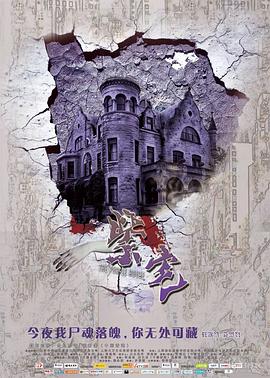
祖籍苏州的富家女周彤(佟丽娅饰)和自幼遭父母遗弃的李毅(汪东城饰)是一对青梅竹马的小恋人,经过多年的爱情长跑,两人最终结为夫妇,并在海外生活居住。一晃十年,接连失去亲人的周彤精神方面承受巨大的压力,只得靠药物缓解病情。某天,父亲的律师致电要求周彤办理遗产问题,于是夫妇二人启程返回了阔别十年的家乡。熟悉的古镇和宅邸并未给周彤一些许的安慰,反而让她陷入更严重的精神困扰之中。在此之后,周彤接连看到各种匪夷所思的诡异现象,这幢辉映着紫色幽光的邸宅仿佛正引领她进入万劫不复的恐怖旋涡之中。扑朔迷离的事件背后隐藏着被遗忘多年的秘密......

一场风花雪月的事2013
08年夏天,失踪多年的国宝——金佛,重现在韩国头号黑帮——金氏家族之手。警方在金氏次子正熙(在熙 饰)潜入深圳境内避难时,安排女警吕月月(Angelababy 饰)以全程保护正熙之名追查金佛下落,两人经历了险象环生的黑帮追杀后情愫暗生,导致月月与警察男友薛宇(黄晓明 饰)的关系变得紧张。正熙答应配合警方的行动,却在哥哥正泰的安排下,携金佛潜逃。正熙失踪的日子里,月月与薛宇逐渐重修就好,正熙突然出现将金佛归公,月月陷入在正熙和薛宇之间选择的两难境地……

小鱼吃大鱼2012
来自农村的女孩白小羽(齐溪 饰)是经济管理毕业的硕士,到服装设计公司ST应聘会计师;文艺青年夏密(郭京飞 饰)在法国学习服装设计,回国后一直找不到工作,在朋友大鲍(王一 饰)的介绍下到ST做设计助理。俩人同一天去到服装设计公司ST应聘;却因为人事部的电脑出错,俩人换了工作,小羽向夏密提出将错就错,不把工作换回来;而对小羽一见钟情的夏密竟然答应。两个人看似一帆风顺,没想到已经身陷一场权利争斗当中——董事长和沙老师(孔维 饰)为争夺ST的控制权。沙老师把小羽的设计图透露出去,并且把泄密之责嫁祸给小羽。在她陷入人生最低谷的时候,和夏密再次邂逅,俩人相互鼓励,决定联手反击沙老师,拯救ST……
穿越巴黎
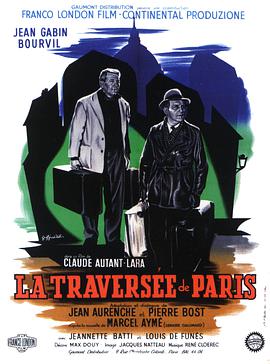
二战期间,纳粹开进了法国,巴黎成了被占领区,物资紧张,出现了黑市交易。
一天晚上,宵禁前,一对夫妇来到了小酒馆,之后又来了一位中年壮男;丈夫嫉妒妻子与中年壮男搭讪,于是打了妻子的耳光,妻子离去,所有的人都沉默。当中年壮男准备离开时,却被丈夫拦住了,丈夫请他吃晚饭。
晚饭时,所有的人都在怀念有猪肉的日子——对话很有趣,却也伤感。丈夫得知中年壮男是一名油漆匠的时候——法语的油漆匠与油画家是同一个单词,这也就是误会出现的原因,就向他交了底,说自己是走私猪肉的,需要找一位同伴帮忙,主要工作是在宵禁期间,从巴黎的一端用行李箱转移猪肉到另一端,为次日的黑市交易做准备。‘油漆匠’很感兴趣,两人达成共识。
两人来到Louis的店里搬猪肉,中年壮男突然发飙,要求Louis付“遮口费”,否则就叫警察,他采取的手段是系列的,且极其流氓(指意识形态)的。所有的人都被他打败了,Louis赶快掏钱送瘟神,两人继而开始了精彩的穿越巴黎之行。
第21届威尼斯国际电影节(1956) 沃尔皮杯-最佳男演员 布尔维尔
第21届威尼斯国际电影节(1956) 金狮奖(入围) 克劳特·乌当-拉哈
第11届英国电影和电视艺术学院奖(1958) 电影奖-最佳外国男演员(提名) 让·迦本

光荣之都
Danny is a content truck driver, but his girl Peggy shows potential as a dancer and hopes he too can show ambition. Danny acquiesces and pursues boxing to please her, but the two begin to spend more time working than time together.

过气天使
Shortly after the United States enters World War I in 1917, a Broadway actress agrees to let a naive soldier court her in order to impress his friends, but a real romance soon begins.
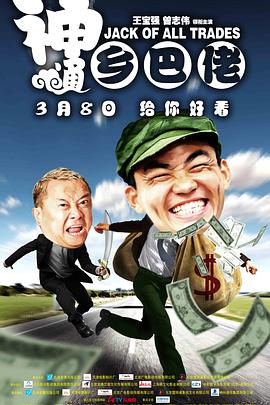
神通乡巴佬
长得不帅、单纯可爱的男人楚中天(王宝强 饰)从乡村到城市寻找自己爱情的故事。一个是有洁癖的都市中产(曾志伟 饰),一个是邋遢的乡下毛头小子(王宝强 饰),当楞头楞脑的“傻根”遭遇老谋深算的“琛哥”, 改变是必须的。朱哥宝训第一条:要追女仔,先要会败家,上万元的西装是一定要 上身的。朱哥宝训第二条:即使对方是个盲人,谎也是要编的,“相貌英俊,酷似金城武,年轻多金,一分钟十几万上下”。朱哥宝训第三条:如果有人跟你借钱,跟他讲“穷去跟你妈说,跟我有什么关系。”朱哥宝训第四条:上面一条是对外人的,对待你的“恩人”,一定要知恩图报。在朱月坡的精心调教下,楚中天能否胜利出师?老实巴交的他真的能兑现之前的承诺,不惜一切代价去报答“恩人”朱月坡吗?
