
湘江北去
时间是1918年,中华大地饱经磨难,战火连连,内有军阀割据,外有强梁入侵,中国的命运前途未卜。湖南长沙,以毛泽东(保剑锋 饰)、蔡和森(陶帅 饰)、萧子升(钱枫 饰)等一众忧国忧民的热血青年组织起新民学会,共同探讨祖国的未来。为了筹措赴法勤工俭学的款项,毛和朋友们辗转北上,来至北京大学投奔恩师杨昌济。经恩师介绍,毛在北大图书馆人管理员,在此期间他结识了辜鸿铭、陈独秀(李子雄 饰)、李大钊(石梁 饰)等文化巨擎,更接触到了改变了他乃至全中国命运的马克思主义。
与此同时,毛泽东也与杨昌济的女儿杨开慧(周冬雨 饰)谱写了一段乱世恋情……

刺杀肯尼迪2013
11月22日是美国前总统约翰-F-肯尼迪遇刺五十周年纪念日,本片是美国国家地理频道对该事件的献礼片。电视红人Rob Lowe在本片中扮演美国前总统肯尼迪,来自《传说》的Ginnifer Goodwin扮演肯尼迪的妻子、前美国第一夫人杰奎琳(Jacqueline),Will Rothhaar扮演行刺肯尼迪的凶手Lee Harvey Oswald(注:史学家仍存在较大争议),来自《绯闻女孩》(Gossip Girl)的Michelle Trachtenberg扮演Oswald的妻子、前苏联移民Marina。本片被翻译成48种语言,在全球171个国家和地区播出。本片是国家地理频道「刺杀」系列纪录电影的第二部,上一部《刺杀林肯》获得了不错的口碑。

赣南1934
《赣南1934》由江西省文联副主席、省作协副主席温燕霞亲自担纲编剧。该剧以70多年前的红色中共苏区的革命战争为背景,讲述了留守在敌后的红军医院院长方梦袍与怀有身孕的妻子红云,率领红军战士千方百计保护红军伤员的故事。剧中激烈残酷的斗争,充满矛盾纠葛的爱恋与感情,令人感叹,催人泪下,是一部独具风格的主旋律电影。
爱得其所
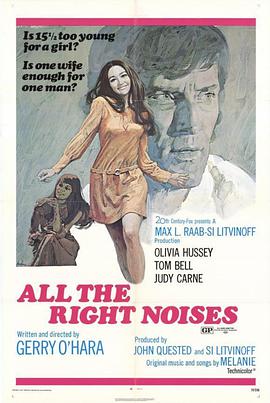
This film, very much of its time shows London in the early 1970's. Of course now a different world. Note the old fashion Underground ticket machines, and the Black and White Telly in the flat. The location looks very much like Churchill Gardens, Pimlico, with Battersea Power Station in the background. And, plenty of smoking going on, in pubs, and on the tube. The film is strangely sexy in its own way, with the young girl playing along with the much older man, its really a sexual fantasy come true. It is another one of those British low budget film where the low budget adds to rather that take away value. Watch for fun, which is what it is.

皮囊之下2012
小女儿意外身亡,马克·休斯(祖舒华·克洛斯 Joshua Close 饰)带着妻子玛丽(塞尔玛·布莱尔 Selma Blair 饰)、儿子布兰登(奎恩·罗德 Quinn Lord 饰)驱车来到位于偏远山间的私宅,试图让短暂的假期弥合心头的伤口。不过他们的宁静很快被邻居萨卡斯基一家打破。相对于依然沉浸在悲伤中且有些疏离冷漠的休斯夫妇,萨卡斯基家的男主人鲍比(詹姆斯·达西 James D’Arcy 饰)和妻子珍(蕾切尔·敏纳 Rachel Miner 饰)显得有些过分热情,他们主动要求登门拜访,期间问东问西,令气氛诡异紧张。直到布兰登和鲍比的儿子杰瑞(阿莱克斯·费瑞斯 Alex Ferris 饰)发生冲突,别扭的家庭聚会戛然中止,不欢而散。
然而对于休斯一家来说,真正的噩梦才刚刚开始……
先遣连2011
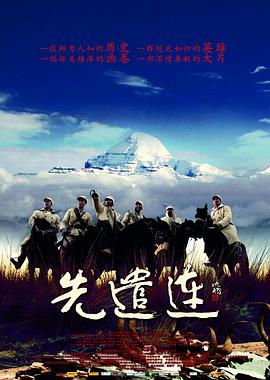
《先遣连》是以当年新疆军区独立骑兵师一团一连进军西藏阿里的先遣连为原形的电影。
1950年,为贯彻落实党中央、毛主席“进军西藏”、“解放西藏”的战略决策,新疆军区决定派一个连的兵力,先期进入西藏阿里地区,执行“侦查情况、发动群众”的先遣任务。1950年8月1日,由汉、回、藏、蒙古、锡伯、维吾尔、哈萨克等7个民族136人的先遣连,在总指挥兼党代表李狄三,连长曹海林等人的带领下,从新疆于阗出发,开始向阿里进军,胜利完成把鲜艳的五星红旗插上阿里高原,和平解放阿里30多万平方公里土地伟大壮举,用生命和意志谱写了一篇光耀日月的壮丽英雄史诗。

无底洞2011
舒楠(沙溢 饰)自考取律师资格证书以来,由于秉性耿直执拗,一直接不到象样点的大案子,沦落到摆摊卖书的境地。一个偶然的事件,使舒楠走到了职业的风口浪尖上。怀孕女孩晓雨(叶青 饰)由于所住房屋倒塌造成流产,决心状告房产开发商,索取巨额赔偿,舒楠自告奋勇当其代理人,准备打一场漂亮官司,同时也赚一笔数目不菲的律师费。可诉讼开始后,舒楠发现一连串的蹊跷事,首先晓雨跟开发商之间就有着某中令人费解的联系,而晓雨的男友杜杰(王伟男 饰)又在其中扮演了什么角色?房地产老板(吴卫东 饰)为何轻易答应了天文数字的赔偿,思来想去,舒楠感觉自己落入了一个不可名状的深潭......

芳香之城传奇
世外桃源“芳香之城”的公主苏凌芳(朱茵 饰)在城堡毁灭之前,被堡主放进小船顺水漂流,为教堂的神父所救并收养。身有奇异芳香的苏凌芳虽先天失语,但有着能用一个啊字感动世人的天籁之音。时间的残酷带走了神父,也随之埋葬了她谜一般的身世,独自生活的哑女无意间救下了父亲倒台躲避仇人追杀的80后富少蒋少君(扎西顿珠 饰)。身受重伤的蒋少君,在养伤期间爱上了这个不谙世事的女孩,许诺一生一世保护她。但久居世外的生活让他怀念起以往纸醉金迷的城市生活。一次和老欧(张达明 饰)无意的电话联系暴露了他的行踪,再次被仇家抓住囚禁起来。苏凌芳为了寻找到蒋少君,只身来到这个她未曾接触过的现实世界,几经破折终于和爱人在一起。起初想要利用苏凌芳天籁之音在娱乐圈东山再起的蒋少君,终于在真爱的洗礼下得到了灵魂的救赎,用着自己的方式保护着他所爱的这个女孩。

你是哪里人
北京,一座汇聚了全国各地寻梦者的城市,“你是哪里人?”也成为了一句出现频率颇高的聊天用语。31岁的王昕蕾(杨恭如 饰)生于上海,海外留学后到北京担任某时尚杂志主编,她工作与交流方式直率,令不少员工和追求者颇感无可奈何。杂志社中层吴清晨(苗皓钧 饰)来自青岛,大学毕业后一直留京发展多年,如今小有所成,并娶了北京姑娘姗姗为妻,但姗姗心高气傲,坦言嫁给他不过是一场迁就,作为经济适用男的吴清晨苦苦维系着这场婚姻。杂志社新丁陈曦(潘阳 饰)刚刚从校门步入社会,所期望的是一份体面又能解决北京户口的工作……几个在北京打拼的外地人的故事,在寻梦之城徐徐展开……

分身2011
女子学校一个学生在同一时间在不同的地方看见了美术老师何秋晓,医生诊断她患有精神分裂症,该女生自杀。何秋晓仍然觉得有另一个自己存在,精神病医生苏醒开始认为那是她的幻觉,后来逐步发现有一双幕后黑手在操纵整个事件……
从今天到明天
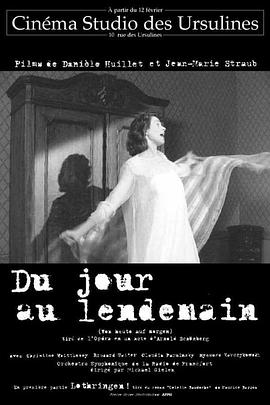
Based on an unknown Schönberg opera from 1929, From Today Until Tomorrow explores one night in a not-quite loveless marriage. A husband and wife return from a party where she has flirted with another man, while he has cast an appraising eye toward an attractive, fashionably dressed acquaintance of his wife’s. Though each dreams, briefly, of leaving the marriage for the excitement and mystery of a new lover, in the end they decide stability and comfort are more important than the fleeting thrill of new romance. Directors Jean-Marie Straub and Danièle Huillet, who previously collaborated on two other films about music (The Chronicle of Anna Magdalena Bach, 1968, and Moses and Aaron, 1975), rely on long fixed shots in austere black-and-white so that the focus remains on the musical brilliance of Schönberg’s atonal score, performed here by 70 musicians. That Schönberg would choose such a relatively lighthearted message for his newly discovered musical language remains a mystery, especially since the conclusion reached by the husband and wife—to stick with the tried and true—seems directly at odds with Schönberg’s own philosophy of composing. It is just this juxtaposition, however, coupled with Straub and Huillet’s faithful presentation, that makes the opera a compelling addition to the Schönberg canon—and the film such a challenging and intriguing experience.

中原女警
为了侦破一起强奸案,女警官王玉荣乔装扮作普通游客,准备在火车站抓捕罪犯。三天之后,歹徒终于上钩,王玉荣成功破获这起大案,却在与歹徒搏斗中受了伤。得知妻子受伤,丈夫王军十分心疼。王军同样也在公安战线上工作,所以对妻子的工作非常理解,但他又不得不替妻子担心。只能默默的守在妻子身边。女儿晨晨在两人面前快乐地跳舞,让王玉荣忘掉了所有的疲惫。

丛林热1991
佛利珀(韦斯利·斯奈普斯 Wesley Snipes 饰)是一名建筑师,和妻子德鲁(萝内蒂·麦基 Lonette McKee 饰)过着非常平静的生活。一天,佛利珀招到了一名新的助手——拥有意大利血统的白人女性安吉(安娜贝拉·莎拉 Annabella Sciorra 饰),很快的,两人就在工作中碰撞出了爱情的火花。
佛利珀开始了和安吉的地下恋情,佛利珀将这件事情告诉了自己的好友塞勒斯(斯派克·李 Spike Lee 饰),而安吉也对自己的男友波利坦白了。很快,这段逾越了伦理界限的感情就被德鲁发现了,愤怒的德鲁将佛利珀赶出了家门,而佛利珀的父亲也不愿意接纳自己的儿子。

公寓街景
On a hot summer afternoon in New York, Emma Jones gossips with other neighbors in her residential building about the affair that Mrs. Anna Maurrant and the milkman Steve Sankey are having. When the rude and unfriendly Mr. Frank Maurrant arrives, they change the subject. Meanwhile, their teenage daughter Rose Maurrant is being sexually pressured by her married boss Mr. Bert Easter. She does however very much like her kind young Jewish neighbor Sam, who has a serious crush on her.
The next morning, Frank Maurrant tells his wife that he is traveling to Stamford on business. Mrs. Maurrant meets the gentle Sankey in her apartment, but out of the blue Frank comes back home. He realizes his wife is upstairs with Sankey, and runs upstairs. We hear shots and see the two men struggling as Sankey tries to escape through the window. Maurrant runs out with a gun. He has killed Sankey and fatally wounded his wife.
Maurrant is apprehended and is led away by police. He apologizes to his daughter Rose, who will now have to take care of herself and her young brother without either parent. Rose's boss offers once again to set her up in her own apartment, but she refuses. Then she sees Sam, and tells him she wants to leave the city. Sam pleads with her to let him go with her, but she tells him it will be better for the two of them to have a couple of years apart before they consider becoming a couple. Rose walks off down the street by herself.

大地重光
1945年8月,日寇投降后,新四军奉命向江北转移,途中遭国民党反动派伏击。纵队指导员周强(潘文展 饰)和机枪手老沈(金焰 饰)及卫生员杨玉文(张铮 饰),为掩护伤病员撤退,寡不敌众,不幸被俘。在押解途中,周强等在众人帮助下,打死敌分队长(董霖 饰),率众成功逃脱。他们用缴获的武器重新武装起来,在四明山和敌人打游击,并且发动周围群众,巩固自身力量。不久,他们和马县长(张望 饰)的游击队会师,建立起游击根据地,力量不断壮大。到了四九年春天,解放军发动渡江战役,大军一路南下,周强率游击队积极配合主力作战,作战中,船工大爷遭敌炮火轰击,壮烈牺牲,同船的杨玉文只身游过了长江......

股疯
1992年,炒股热悄悄在上海兴起。许多老百姓厌倦了平凡无味的生活,开始纷纷投入这个让人疯狂失常的怪圈中。
香港男人阿伦(刘青云 饰)热衷赚钱,因此忽略了女友安娜的感受。随着时间的推移,两人的关系逐渐出现裂痕。安娜不辞而别来到上海,阿伦于是追来这里。失望的阿伦在上海小青年三宝的介绍下,权且借炒股打发时间,也因此结识了公交车售票员阿莉(潘虹 饰)。阿莉和丈夫、女儿住在底层的弄堂里,邻里间吵架拌嘴不断,生活条件迟迟得不到改善。凭借阿伦的指点,阿莉终于尝到日进斗金的快感,她的生活逐渐改善,周围人也对她尊敬有加,只是在这一过程中她渐渐成为股票和金钱的奴隶,沉湎其中,无法自拔……

达特穆尔的小屋
Flashback story of an escape from the lonely, high-security Dartmoor Prison. A jealous barber's assistant is enraged by the attentions that his manicurist girlfriend pays to a customer. He threatens the customer with an open razor and lands in gaol.

何处是我家2001
故事开始于1938年,即将爆发的战争阴影笼罩着每一个犹太人。为了避难,沃尔特(米勒·尼尼兹 Merab Ninidze 饰)带着妻子杰塔(茱莉安·柯勒 Juliane Köhler 饰)和女儿雷吉纳(莉·克卡 Lea Kurka 饰)远赴非洲大陆,希望能够在那里躲避战火,开始新的生活。
刚开始,恶劣的自然环境和完全不同的生活方式让杰塔感到十分不适,背负着巨大压力的她将怒火和怨气全部发泄在了丈夫身上,夫妻两人之间的关系因此变得岌岌可危。然而,随着时间的推移和接二连三发生的意外,杰塔渐渐习惯了充满了辛苦但也洋溢着幸福的生活,亦懂得了珍惜眼前人。而年幼的雷吉纳更是融入了异域文化中,还在当地结交了许多好友。战争结束了,一家人的去留成为了最大的问题。