
情系拉魂腔
市里要主办的拉魂腔三戏汇演,县文化局干部俞渝来到泗州戏的传人麻九爷的家,要麻九爷父子带队参加汇演,老爷子一高兴病倒了,他要儿子继续负责此事。在经历了许多的挫折之后,演出终于获得了成功。
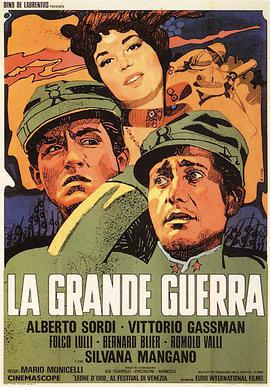
大战争1959
两个意大利士兵被卷入第一次世界大战,他们很想逃脱战争的阴霾,想了很多办法,但是现实无情,总是把他们推到荒唐而危险的境况中。在一次次偷懒成功后,他们却目睹着一次次战友们血肉模糊的战场惨状。终于一个亡故战友的妻子令两人的思想有了变化,在一次对敌行动被俘后两人被处死,但他们的长官却还以为他们照旧做了逃兵。
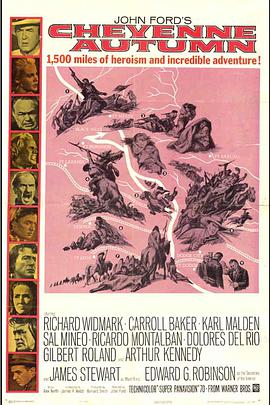
安邦定国志
本片讲述远在1887年美国与印第安人签订和约,答应援助正受到各种如天灾、疾病、粮食短缺等问题的印第安人,驻扎在奥克拉荷马保留区。但美国政府忽略了这项协约,于是夏安族的酋长决定,返回原来的拥有比较丰盛农产的居住地。这样一来,就破坏了协议,引起了军队和夏安族的冲突,使美国内部陷入动荡与不安中。美国人与印第安人的摩擦日益增多,这时幸好有一位军官请内政部长随行化解冲突,把印第安人原居住地也划为保留区,美国与印第安人之间终于和平起来。此片是由名导演约翰.福特所拍摄的史诗型影片,在导演细腻的描写下,人性的尊严充分表达出来,并以写实手法充分诠释了当时的历史背景。
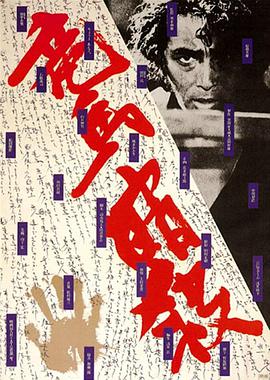
暗杀坂本龙马
幕府末期,群雄并起,日本上下动荡不安。在英豪辈出的时代,坂本龙马以其卓越的气魄和超前的思想在历史中占有一席之地。影片则主要描述坂本龙马被暗杀前最后两日的生活。
庆应三年十一月十三日,京都下着冰雹,坂本龙马(原田芳雄 饰)栖身于海援队经常落脚之地近江屋。“大政奉还”后局势愈加不稳,此时的坂本已被佐幕派和勤王派双方视为危险人物。无所事事的坂本与妓女厮混,更因手枪不慎走火引来刺客。昔日好友中冈慎太郎(石桥莲司 饰)和萍水相逢的右太(松田优作 饰)放下屠刀,与坂本结为挚友。慎太郎因此入狱,坂本与右太将其救出。后右太被杀,坂本与慎太郎密商逃亡之事的午夜,死神的罗网却已悄悄张开……
大魔域
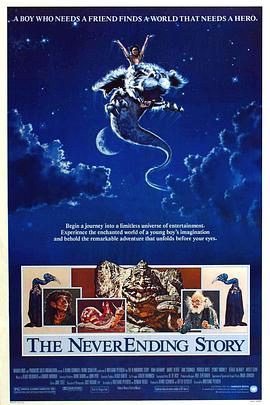
故事讲述小男孩Bastian Bux迷上了一本名叫《永不结束的故事》的书,故事将Bastian Bux深深吸引到书本里,甚至让他幻想自己就是其中最重要的角色。而书中描述的幻想国逐渐被“空无”吞噬,女王因为重病无法抵抗“空无”,于是幻想国派出勇者Atreyu寻找拯救女王的药,Bastian Bux就在Atreyu的追寻中体验幻想国的每个地方、认识每个人物,随着Atreyu的欢喜与挫折起伏……
幻想国之所以被“空无”吞噬,是因为她是由人类的幻想所创造出来的国度,当人类不再幻想,并忘记那些幻想时,幻想国当然就什么也不剩了。Bastian Bux最后发现幻想国中的人并没有办法拯救他们自己,只有人类才能拯救幻想国,他必须靠着丰沛的想像力,重现幻想国的生机……

惊魂游戏2012
电子游戏策划美琪(莫小棋 饰)最近与男友郑明(胡兵 饰)的感情出现了危机,她对工作心不在焉并怀疑遭到了男友的跟踪。在上司的建议下,美琪与郑明、以及好友阿森和yoyo前往海岛度假。他们在船老大的引导下,来到一处荒僻小岛,入住了由林叔(王双宝 饰)与其智障儿子阿邦打理的旅馆。旅馆由烂尾楼改建而成,满墙涂鸦与铁丝网封闭的窗户别有一番风情,虽然小岛荒僻,连手机都失去了信号,但阿森与yoyo很快被海岛风景所吸引,而美琪和郑明怀揣心事,难展笑颜。待人热情的林叔父子招待阿森与yoyo,席间居然用药物将两名客人制服,美琪与郑明察觉后试图逃走,海岛游顿时变成了一场猎杀游戏……
孔雀飞来阿佤山
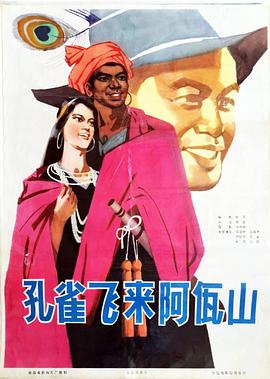
1950年春,云南边疆。佤族寨前,不明真相的村民们鸣枪射箭阻击解放军进寨,民族工作队队长白文进被佤族青年艾火龙一箭射中左臂。队伍撤退,艾火龙等青年不解。当晚,国民党残匪李世魁潜入山寨引诱艾嘎头人。民族工作队送上山的谷种和盐巴,艾嘎头人逼迫艾火龙射杀白文进,艾火龙不忍,艾嘎头人挥鞭抽打艾火龙,白文进举枪射断艾嘎头人手中的鞭绳。艾嘎头人唆使窝朗康派艾火龙下山摸清解放军的情况,想借解放军之手杀掉艾火龙。白文进化装成马帮客与展示箭法的艾火龙结识,借机说明了自己身份,艾火龙悔恨莫及。次日,白文进、艾火龙牵着驮满谷种和盐巴的马回到山寨,正值李世魁、匪刘司令进寨参加寨主议事。就在窝朗康被诱骗与残匪喝鸡血酒盟誓的关键时刻,艾火龙不顾个人安危恳求窝朗康三思,艾嘎头人穷凶极恶绑起艾火龙。白文进换上军装走进议事厅,揭露了李世魁和艾嘎头人狼狈勾结的险恶用心。在艾火龙等群众的帮助下,李世魁、刘司令、艾嘎头人的阴谋诡计逐一败露,窝朗康幡然醒悟,村民欢歌起舞迎接民族工作队进寨。
魔鬼的陷阱
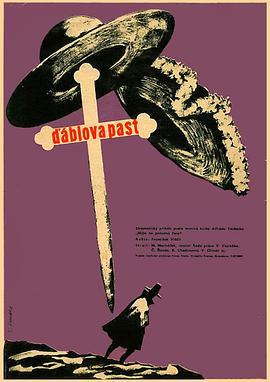
In the time of Counter-Reformation, a miller and his son come under investigation by a priest of the Inquisition, when rumors spread that their prosperity comes from working with the Devil.
The Devil's Trap is a film directed by František Vlá?il, based on a novel by Alfréd Technik, adapted by František A. Dvorák and Miloš Kratochvíl. It was the first of three historical dramas that Vlá?il made during the Czech New Wave (technically he isn't really a part of the New Wave, however these films were made during the same era of artistic freedom), preceding his more well known Marketa Lazarová (1967) and Valley of the Bees (1968).
Set in the late 16th Century during the Catholic Reformation, in the Moravian Karst, situated in what is now the Eastern Czech Republic, it tells the tale of a miller (Vítezslav Vejrazka), and his son Jan (Vít Olmer), who come under suspicion and are investigated by a Jesuit priest of the Inquisition (Miroslav Macháchek), when rumors of witchcraft are spread by the local regent (Cestmír Randa), who is jealous of the miller's prosperity and degree of respect among the local populace.
As expected from Vlá?il, this film is a stunning experience all the way through. From the opening shot, an ominous manipulation of perspective with a close up of a mangled figure of Christ dominating the foreground against a tiny figure in black walking along the horizon, to the breathtaking confrontational finale inside the vast stalactite filled Karst caverns, it is a wonderful display of visual mastery.
Maybe not quite as impressive as Marketa Lazarová, but still full of astonishing imagery. As seen from unique angles and distinct points of view which highlight the director's remarkable sense of awareness of framing, motion, and positioning on the emotional and dramatic tone of the scene. The most memorable being a repeated shot where the camera is suspended and launched with speed through the air towards the miller's door.
The story here is a simple one and I would say more accessible than his later works. With a conventional structure emphasized as much by its plot and characters, than by its expressionistic cinematography or authentic historical detail. The events play out without much surprise, and there is a strong underlying, almost supernatural, mysterious aspect that is left unresolved, in fact barely explored, which is slightly disappointing, but only because it's so fascinating that I wish there was more.
Acting is great all around. Particularly the villains: Miroslav Macháchek as the priest, casting a sinister and imposing shadow wherever he goes, and Cestmír Randa as the weasel like regent behind all the persecution. While Vít Olmer brings a charismatic leading man presence in his role as the miller's son Jan, in love with the lovely orphan girl Martina (Karla Chadimová), who becomes a dangerous object of rivalry between Jan and other young men of the village.
The film also features the evocative music of Zden?k Liška (perhaps the most prolific composer of the Czech New Wave). In this his second of eleven collaborations with Vlá?il, his compositions are used sparingly, but to great effect, complimenting but never overpowering a scene. The best example of which can be heard in an amazingly shot celebration and dance sequence at the end of the second act.
The Devil's Trap might not be a masterpiece, but it is still a strong effort, with a fascinating straightforward story and a glorious historical setting captured beautifully by Vlá?il's unmistakable visual prowess. A fine work that would also be the perfect starter plate to prepare yourself for the challenging feast of Marketa Lazarová or The Valley of the Bees. It even has an easy to digest running time. It's therefore puzzling why this gem remains largely overlooked and ignored.

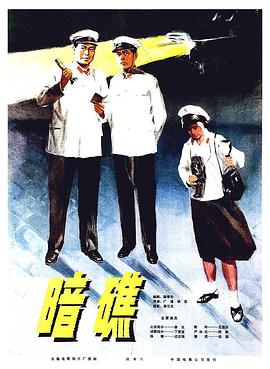
蓝盾保险箱
1949年春,金陵城。某风雨之夜,某国大使努尔提(戈沙 饰)家遭劫,被盗走装有宝石的保险箱。接警后,刑警队长路洪(马昌钰 饰)带公安战士进行侦破,现场痕探表明,此案为金陵城内有名的惯匪古金山(任伟民 饰)兄弟所为。驻沪特务机关闻听此案,认为给共产党抹黑的时机已到,密令金陵潜伏特务一定阻止共产党破获此案。路洪和庞查理(陈述 饰)访遍城内可疑场所,均没获得重要线索,案情陷入僵局。此时,一神秘人物在地下俱乐部找到赛苏三(申健 饰),密谋怎样开箱取宝,他们得知使馆女佣金妹(王琴宝 饰)会开保险箱,钱桂山(董霖 饰)化装将其劫持。路洪在破案中和庞查理产生分歧......

埋伏2011
28岁的洪哲是个潇洒帅气风流倜傥的公子哥,一个偶然的机会他认识了地下党员百合,但他并不知道百合的真实身份。在百合的帮助下,洪哲顺利与富商蒋震霆的大女儿蒋可馨成婚,于是百合要洪哲帮自己完成一项任务---从岳父蒋震霆那偷取一份重要的情报。随着交往的深入,洪哲知道了百合的身份,并且也知道了那份情报的重要性。
洪哲的妻子蒋可馨表面上刁蛮任性但心地善良,十分爱洪哲,也十分爱自己的父亲,当她知道了丈夫所要完成的任务和父亲的真实身份后十分痛苦,她周旋于父亲和丈夫之间,一次次的帮洪哲化险为夷。最后在民族大义面前,她做出了正确的选择。
那么,洪哲是如何完成任务的?蒋震霆的真实身份是什么?
狂奔岁月
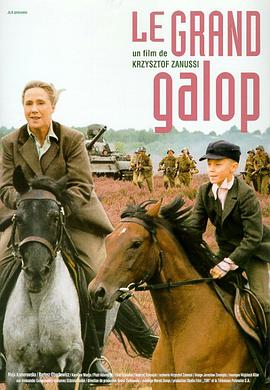
修伯特是個十幾歲的男孩,他的父親因為滯留在西方不肯回國而被視為叛國賊,母親為了他著想,忍痛將他送到華沙跟姑姑同住。在波蘭共黨高壓統治的時代,這個高貴、難解卻又叛逆的姑姑經營了一家馬術俱樂部,她不但不准男孩叫他姑姑,還為他編造了一段符合政治正確的身世,讓他順利插班就讀。過去在母親嚴格要求正直誠實的教養下成長的修伯特,從姑姑身上發現了不一樣的世界。男孩從疑惑到逐步發現姑姑的秘密,而終於瞭解到一些他原本難以想像的事實,也改變了他對真理的認知。
《狂奔岁月》(Cwal/ At Full Gallop,1996)是赞努西另一部可圈可点的作品。也许是政治情势的转变,也许是创作者自身年岁的增长所致,这部回顾一九五○年代波兰共党高压统治时代的作品,非但没有想象中的正经八百,反而流露了温馨、童稚的情感,赞努西甚至在电影最后现身说法,除了自承某些情节来自个人亲身经历外,甚至带着演员一块谢幕,幽默得紧。
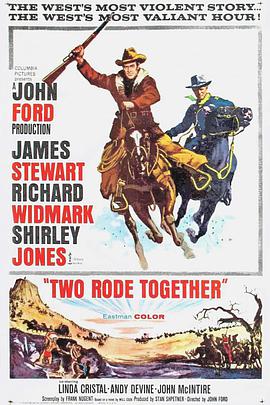
马上双雄
一天,骑兵队的吉姆(理查德·威德马克 Richard Widmark 饰)找到了自己的老友,小镇警长麦凯(詹姆斯·斯图尔特 James Stewart 饰),求他帮自己一个忙,去解救曾经被印第安人绑架的人们,最终,两人成功的救下了男孩快狼(David Kent 饰)和一个名为爱莲娜(雪莉·琼斯 Shirley Jones 饰)的女子,哪知道这一举动竟然招致了石牛(伍迪·斯特罗德 Woody Strode 饰)的不满和追杀,最终,石牛被麦凯击毙了。
回到据点,快狼和爱莲娜并不受当地人的欢迎,处处遭到排斥,只有善良的麦坎雷太太(珍妮特·诺兰 Jeanette Nolan 饰)愿意收留快狼。随着时间的推移,麦凯渐渐的爱上了坚强的爱莲娜。

空前绝后满天飞2:瞒天过海飞飞飞
这次,大批乘客离开地球,乘坐第一艘民用太空梭直飞月球,然而机上有个炸弹怪客,太空梭就快要被炸开了,加上引擎又故障,但是最糟的却是飞机上发现他们没有咖啡可喝。
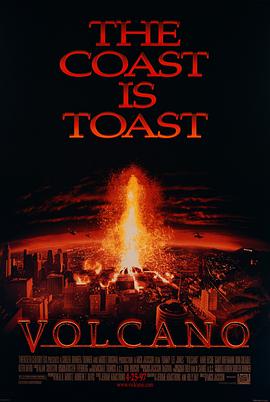
活火熔城
一次大地震令洛杉矶地底深处的火山喷发,向着住宅区流去,维修地下管道的工人被烧死。地质学家艾美和朋友下去隧道勘测时亲身经历了朋友被岩浆喷发带走了生命。一时之间,城市一隅充满了地底爆发的岩浆。危机处理中心总指挥麦克(Tommy Lee Jones 饰)采取了艾美博士的建议开始疏散人群,他们先利用数百万吨空中降水来使来势汹汹的岩浆变成障碍物,阻挡了岩浆的流动。正当大家以为松一口气时,艾美博士认为岩浆并没有真正被阻挡,只是改变了流向,而且正在往充满伤员的医院奔涌。他们只剩下30分钟的时间去处理这个问题,他们能成功吗?

回头是岸1956
洛奇(保罗·纽曼 Paul Newman 饰)出生在位于纽约的一个非常贫困的家庭之中,他的父亲曾经梦想成为一名拳击手,但可惜窘迫的生活条件让这个梦想最终化为了泡影,于是,这个失落的男人只能整日生活在郁郁寡欢之中,靠着酒精排遣内心的不满。
荷尔蒙爆棚的洛奇整天在大街上打架惹是生非,这让他和父亲之间的关系变得非常的糟糕。某日,洛奇得到了军中长官的赏识,在长官的鼓励之下,他决定去拳坛一试身手,因此意外发现了隐藏在基因里的天赋,从此走上了拳击的道路。拳击不仅拯救了洛奇,以化解了他和父亲之间长久的仇恨。
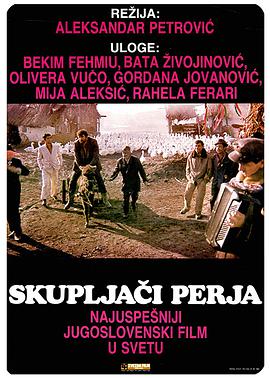
快乐的吉普赛人
经营鹅毛业的波拉对另一位鹅毛商米塔的养女蒂莎一直有好感,苦苦追求,但米塔却将蒂莎下嫁给一个只有12岁的男孩。在无力满足蒂莎的性要求后,蒂莎逃婚离去;波拉想买下蒂莎,无奈米塔却不愿成人之美,皆因想独自享用蒂莎,于是蒂莎再度逃跑。后来波拉找到蒂莎并将她接回家与妻子儿女共住;蒂莎日久生厌,又一次出逃前往贝尔格莱德。途中蒂莎还与货车司机勾搭上,翻云覆雨一番。波拉得知蒂莎最终又回到了养父身边时勃然大怒,在与米塔纠缠打斗后,开枪打死了米塔;等到警察赶来,波拉早已逃去。
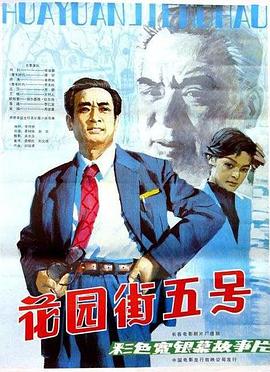
花园街五号1984
1980年代初,东北某城市。即将退位的临江市委书记韩涛(李默然 饰)为谁来接班大伤脑筋,儿媳吕莎(方舒 饰)劝他为贤人是用,他却心存顾虑。刘钊(庞学勤 饰)是个勇于开拓型的干部,直率的性格平日里得罪不少人,副市长丁晓(王村人 饰)则老谋深算,谙熟为官之道。吕莎深爱着离异的刘钊,他们一个是精神病人的妻子,一个是被妻子抛弃的丈夫。而韩涛既不能无视刘钊勇于改革所取成就,又反感他锋芒必露、咄咄逼人的斗争锐气。在省委组织部安排的一次书记人选民调测验中,由于事前受丁晓的蛊惑,他无奈地投了弃权票。丁晓煽动啤酒厂江胖子(詹靖波 饰)告诬状,阻挠刘钊抓临江大厦工程,整个临江暗流涌动......
本片根据李国文同名小说改编。
黑雨1989美国版
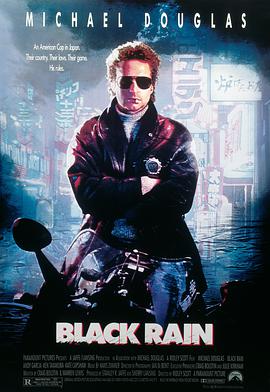
纽约探员尼克(迈克尔•道格拉斯 Michael Douglas 饰)是个桀骜不驯的离异男子,他最近因渎职嫌疑被风纪部门调查。某日尼克与搭档文森(安迪•加西亚 Andy Garcia 饰)在一家餐厅中偶然遇到日本黑帮的内部火并,二人虽将主犯佐藤(松田优作 饰)捕获,但佐藤抢到的神秘块状物却不翼而飞。日本方面要求引渡佐藤,尼克和文森只得押解佐藤到达大阪,岂料在飞机场,尼克误将佐藤交给了乔装后的黑帮分子。不甘心失去人犯的尼克和文森以观察员的身份,在日方助理兼翻译松本正弘(高仓健 饰)协助下继续调查佐藤一案,他们发现佐藤正与大老板菅井为了制造假钞的铜板火并。不久,文森被佐藤一伙杀害,尼克的处境也愈发艰难,但他固执的要在晦暗的陌生城市中抓到凶手……
