
杀人电梯2001
影片讲述了一个电梯无故困人杀人的故事。纽约著名地标建筑----千年大厦的电梯突然失控,一名盲人和保安先后因此离奇毙命。这仅仅是突发事故吗?女记者詹妮弗对此展开调查,设法解开电梯神奇行为背后的秘密。然而,随着她调查的深入,因电梯而死亡的人数越来越多,调查也演变为一场意想不到的噩梦……

私枭血
赫特(杰弗瑞·林恩 Jeffrey Lynn 饰)、哈里(亨弗莱·鲍嘉 Humphrey Bogart 饰)和艾迪(詹姆斯·卡格尼 James Cagney 饰)都是曾经在第一次世界大战中为了国家抛头颅洒热血的军人,战争结束后,三个男人返回了他们平静的生活之中,可是,战争改变了太多,他们再也无法找回曾经的那些快乐日子了。
退伍后,脑瓜和嘴皮子都很伶俐的赫特成为了律师,老实本分的艾迪打算做一名出租车司机,踏踏实实赚钱,而花花肠子最多的哈里则成为了一名私酒贩子,因为这是当下最来钱的活计。很快,艾迪也入伙了,和他们一起行动的,还有史密斯(格拉黛丝·乔治 Gladys George 饰)。
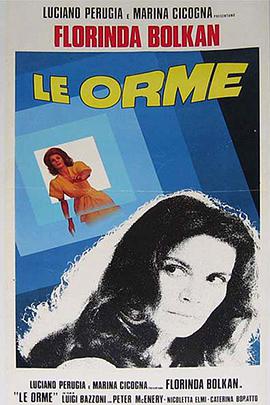
神秘足迹
In this sci-fi chiller, a young woman's peace is shattered when she begins hearing loud screams in her head. They are the agonized wailings of an astronaut deliberately marooned upon the moon by a double-crossing experimenter. Soon the woman becomes possessed by the astronaut.

天使之城
天使塞斯(尼古拉斯•凯奇 饰)拥有天使应该拥有的一切法力,还能永生。他的使命就是每天游荡在医院里将已去的人们带到另外一个世界,他却爱上了医院的医生梅姬(梅格•瑞恩 饰),为了能够和心爱的人在一起,塞斯放弃了天使的身份,放弃永生,坠入了凡间。然而,他却并不明白,等待他的,除了动人的爱情,还有弄人的命运。

圣母与孩童
Robert Tucker, a sorrowful, solitary man, given to bouts of weeping, tries to balance his life caring for his aging mother, his Catholicism, his homosexuality, and his dull job. One night, after his mother has gone to bed, he dons leather and heads for a private club. He telephones a tattoo artist with a special request. He goes to confession, accusing himself of despairing. He cries out during a nightmare, waking his mother. "You're a good boy," she's told him. He prays the Stations of the Cross, and he lives out his own sorrowful mysteries.
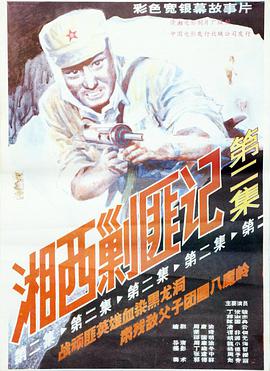
湘西剿匪记第二集
凤山一战,瞿匪受重创。瞿湘玉见大势已去,与盘歌寨的何文才会和。吴波化妆改扮,在史云哲侄儿的婚礼上将其活捉,经劝导,史云哲决定谈判。瞿湘玉为防有变以高官厚禄拉拢史云哲。吴波“单刀赴会”,争取史云哲。吴史二人来盘歌寨诈降被瞿湘玉识破。顿时硝烟四起。土匪把吴波妻子李桂芳和小虎押到悬崖。瞿湘玉借机逃跑之际,李桂芳抱住匪徒滚下悬崖。我军随即攻破盘歌寨。随后,我军搜到残匪老巢黑龙洞,全歼顽匪。
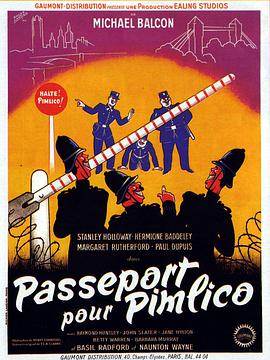
通往皮姆利科的护照
一枚二战时期埋下的炸弹在英国伦敦皮姆利科被意外引爆,炸出了一个宝藏。有人发现,按档案记载,该地区实际上是法国勃艮第的一部分,因此应属于外国领土。为重新获得领土控制权,英国政府试图设立边境管制,并切断该地区的服务,而“勃艮第人”进行了反击。

死亡与变形
In sepia tones, the film moves back and forth among three periods in Robert Tucker's life: he's an old man, near death, in a nursing home at Christmas time he's in middle age caring for his cheerful but dying mother he's a lad at Catholic school, practicing his catechism, going to confession for the first time, receiving the Eucharist, surrounded by the singing of a children's choir. In middle age, he looks through his scrapbook of photographs of muscular men he recalls lovers and his mother's cremation. A nurse sits beside him on his last night in his last breath, he reaches forward and back..
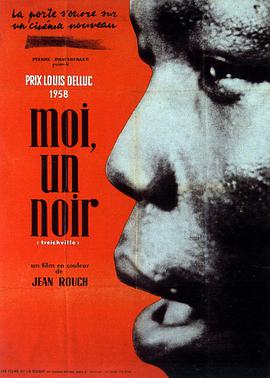
我是一个黑人
本片记录了西部非洲的乡下青年到城市打工的经历。许多尼日利亚青年离开位于内陆的家乡来到沿海国家象牙海岸打工,许多人在首都阿比让的平民区落脚。本片主人公是一位仿照美国电影明星取名爱德华·罗宾逊的年轻人,他在摄影机前讲述自己及其同伴的故事。 The film depicts an ordinary week in the lives of men and women from Niger who have migrated to Abidjan, Cote D'Ivoire for work. After a short introduction by Rouch, "Edward G. Robinson"-Omarou Ganda, who like the film's other subject-collaborators plays himself under the name of a Western movie star-takes over the film's narration, recreating dialogue and providing freewheeling commentary on his experiences.
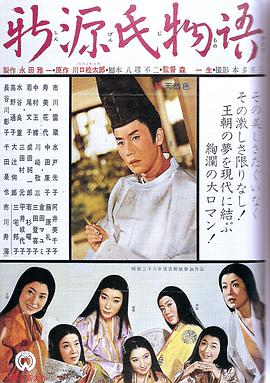
新源氏物语
「週刊文春」連載の川口松太郎の同名小説を「美少年変化 竜の岬の決闘」の八尋不二が脚色、「怪談 蚊喰鳥」のコンビ、森一生が監督、本多省三が撮影した王朝もの。
帝の寵を一身に集めた桐壷は光源氏を生み落して間もなく亡くなった。宮の女性の憧れの的となった光源氏は、時の権力者左大臣の娘葵の上を正妻に迎え前途洋々たるものがあった。その源氏の前に、母と瓜二つという藤壷が現れた。父帝のおもい者と知りながら源氏の心は燃えた。それを知って従者惟光は藤壷付きの王命婦をそそのかして源氏を藤壷の几帖の中に忍びこませた。源氏の甘い抱擁にわれを忘れた藤壷であったが、罪の苛責に戦いた。帝の寵を藤壷に奪われて面白くない弘徽殿の女御は、兄の右大臣と藤壷の失脚をはかった。この叔母と父の企みを近く東宮の妃にあがる朧月夜が耳にしていた。朧月夜は、藤壷の館に忍ぶ源氏を追って強引にも几帖の中に引き入れ、惜し気もなくやわ肌を与えその耳に藤壷に近づくなと忠告した。やがて藤壷は玉のような皇子を誕生した。何も知らず歓ぶ帝を見るにつけ源氏の心は暗かった。その懊悩を野遊びに晴らそうとした源氏は、常陸官の姫末摘花と逢いその女らしいもてなしにうさを晴らしていた。その頃、葵の上は姙り産み月を待っていた。葵祭りの日、葵の上の牛車は六条の御息所の網代車に追突、相手の車のナガエを折ってしまった。口惜しさと憤りに六条の御息所は、生霊となって葵の上を襲った。葵の上は男子誕生と共に死んだ。悲しみにひたる源氏に、またまた父の帝が崩御し、朱雀帝が即位した。源氏は娘の紫の成長を慰めとして日々を送るようになった。今では新帝の妃となった。朧月夜は、一夜の源氏との交情を忘れることができなかった。大胆にも藤壷の館に忍ぶ源氏を目敏く見つけるや、几帳の中に引入れ藤壷に近づくのは身の破滅だと囁いた。この二人の交歓を弘徽殿の女御が発見した。女御の知らせでこれを知った朱雀帝は憤然とした。源氏は新帝からの通達によって須磨明石へ移されることになった。

鼹鼠人
A party of archaeologists discovers the remnants of a mutant five-millennia-old Sumerian civilization living beneath a glacier atop a mountain in Mesopotamia.

钥匙1958
威廉 霍尔登 迈克尔 凯恩 索菲亚 罗兰
基尔龙 穆尔 詹姆斯 海特 科林 戈登
布赖恩 福布斯 奥斯卡 霍莫尔卡 特雷弗 霍华德
此片为1958年拍摄于英国,全片采用黑白胶片进行拍摄,使影片带有一份特殊的感伤。
二战期间,德国潜艇大规模的对盟军的运输车进行攻击,目的是使美国的资源无法运输到英国从而使应该陷入内需匮乏。本片的主人公是一位被盟军征用的而来运输车船长,他的任务就是将在公海上被德军潜艇击毁的船长拖回,并救助当中的船员,虽然简单但是这却是十分危险的工作。
主人公的宿舍便是他的前任同事,宿舍里还住着他的妻子。
(题外话:在战争的时候很多战士的妻子、女友在失去自己的丈夫、恋人后多会有些堕落的和成为性尤物,这点在二战的欧洲地区很突出,但是一直没有被历史所正是。)
故事情节虽然老套的让2人相恋,虽然片尾2人分开了,但是片尾的情结告诉我们他们最终是会在一起的。~

异乡情愁
安东尼迪(卡琳娜·隆巴德 Karina Lombard 饰)和弟弟丹尼尔(Ben Thomas 饰)一起同母亲安妮特(雷切尔·沃德 Rachel Ward 饰)过着相依为命的生活,巨大的生活压力和拮据的经济状况让安妮特最终选择嫁给了一位冷酷的英国富商。一场奴隶暴动夺走了丹尼尔年轻的性命,安妮特接受不了打击,发了疯。见此情况,安东尼迪的继父安顿了安东尼迪和她的母亲后返回了英国,就此音信全无。
安东尼迪渐渐长大,为了继承继父的遗产,安东尼迪接受了继父为她安排的婚事,然而,痛苦的童年经历让安东尼迪的心灵饱受创伤,她几乎病态地害怕丈夫的背叛和抛弃。可是,越怕什么越来什么,当安东尼迪发现了丈夫和黑人女仆之间的奸情时,她崩溃了。
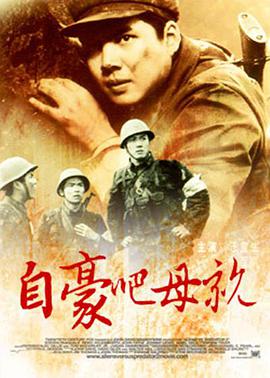
自豪吧,母亲
1979年,越南方面挑起边境事件达三千多起,社会主义阵营好兄弟中国和越南同室操戈,剑拔弩张。侯局长的儿子侯方此时正在边疆服役,这位一腔肝胆的青年决心用钢铁之躯保卫祖国,因此特别申请延期退役。而他的妈妈却担心儿子的安全,执意希望儿子退役回家,远离战场的喧嚣。人民子弟兵们浩浩荡荡开赴边疆,侯方跟随班长梁青青冲锋陷阵。然而越方设置了长达两百米的雷区,为了打开大部队前进的通道,梁青青带着侯方、韦江波等战士展开排雷任务,可是所有的爆破器材都用完了,他们只能用自己的血肉之躯去扫除最后五十米的地雷。
年轻的战士视死如归,他们做出足以让祖国母亲自豪的壮举……
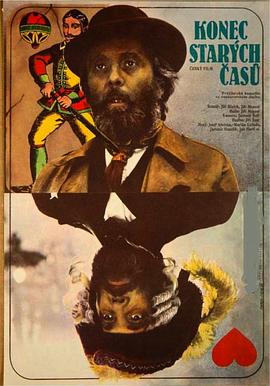
再见,旧时光1989
1918年,捷克斯拉夫成立,这是捷克人民首次拥有自己的祖国。伊利·曼佐藉古喻今地运用了出身卑微、亟欲挤身上流阶层的暴发户,总是能让女人们神魂颠倒的风流公爵,一群被利欲薰心的凡夫俗子,以及热恋中的年轻男女,编织出这部甚具魅力的卧房喜剧。新时代来临了,还是美好的往日不复存在呢?曼佐完成本片的同年,捷克也发生了“丝绒革命”。
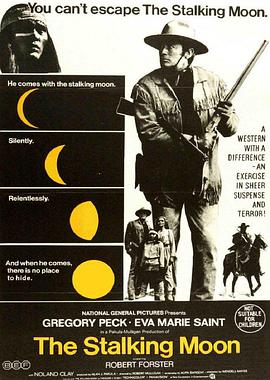
月落大地
本片描述一位刚退休的侦察兵,由于好心收留了一位曾经被印第安俘虏多年的白人女子及她那混血儿子,于是受到儿子的神秘杀手父亲追踪寻仇。全片三分之二以上的时间,是发生在西部山巅之间的追踪和暗杀。导演罗伯特.马利根扬弃一般西部片惯见的激烈枪战场面,着力以沉缓的镜头运动和富于悬疑色彩的构图来酝酿紧惊险的气氛。但是,由于导演过分着重惊险悬疑的气氛营造,对于剧情的充实,和角色内心世界的刻画就相对地显得简单而浮泛。格利高里.派克扮演老斥侯华纳,演来十分卖力,但表情稍嫌刻板化,不及扮演尼克的罗伯特.弗斯特那么灵活和讨好。
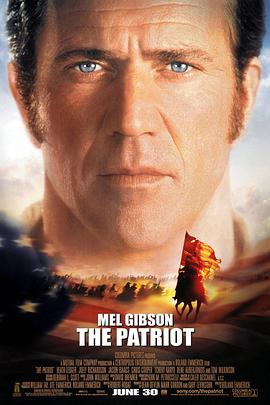
爱国者2000
故事发生在美国独立战争时。本杰明(梅尔•吉布森 Mel Gibson 饰)是法国裔美国人,他曾参加过法国人与印第安人的战争,身经百战。残酷的战争令他失去了心爱的妻子,他发誓要永远远离战争。
所以当英国殖民者将战争烧到本杰明的家园时,他首先选择的不是奋起反抗,而是躲避。当他看到他的大儿子参加了当地组织的爱国者军队时,也没有跟着挺身而出。
但是,当他的大儿子被敌军俘虏,小儿子挺身去救哥哥而被打死时,本杰明再也按捺不住了。他这时才清楚意识到,只有反抗才能解救家园于水火。

贝拉的魔法
坐在轮椅上,之后的人生只能靠它代步的蒙特对人生不再抱有什么希望。曾经的知名作家因为妻子的离世而灵感不再,整日与酒为伴的蒙特让侄子对他放不下心来,于是为他找了一个僻静小镇的小木屋,让他在这里散心养生。搬到这来的蒙特起初对什么都没有的小镇很不满,终日酗酒。而隔壁奥尼尔家的三个小女孩及她们的母亲吸引了蒙特的注意,随着和她们接触的加深,蒙特喜欢上了这一家,从中也渐渐拾得了生的乐趣;而奥尼尔家的三姐妹从蒙特身上得到了父爱和关怀,而她们的母亲也再次感受到爱情。一切都在朝着好的方向发展着,哪怕当下仍是黑暗,但黎明终究会来到,在救赎与被救赎中,蒙特及奥尼尔一家得到了治愈。
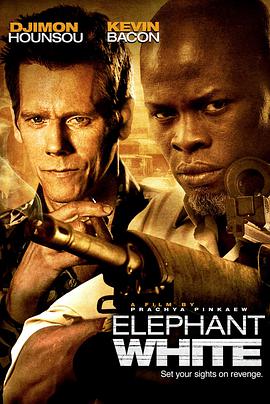
白象2011
泰国曼谷。雇佣军人库蒂·彻奇(杰曼·翰苏 Djimon Hounsou饰)受雇于一位神秘商人,替他暗杀了六名男子。交易完成之后,这名神秘男子更不惜重金雇佣彻奇,为其执行一项暗杀任务。据该男子称,他的女儿梅(Jirantanin Pitakporntrakul饰)被一个臭名昭著的泰国卖淫贩毒团伙绑架并杀害。
在冷酷无情的武器交易商吉米(凯文·贝肯 Kevin Bacon饰)的帮助下,彻奇找到了他的暗杀目标,但随之便卷入到了一场帮派间的黑暗战争之中。这项看似简单的任务,随着情势的发展变得越来越扑朔迷离。与此同时,女孩梅并没有被杀害,她正协助教会解救其他被绑架的女孩。突然之间,梅再次消失不见,而她的背后更隐藏着一个巨大的秘密。
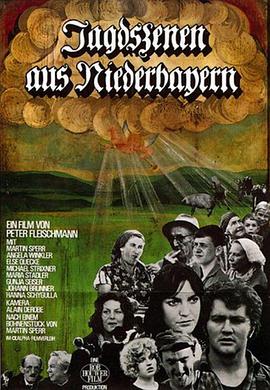
巴伐利亚打猎即景
ynopsis from Time Out Film Guide: Between the seemingly idyllic opening and closing scenes depicting a rural community, first at church, then at the village festival, Fleischmann attacks that community's prejudices and ignorance without remorse. His very precisely observed portrait of Bavarian life begins with little more than a display of the villagers' constant ribbing, bawdy humour, continuous gossip, and more than a hint of their slow-wittedness. With the return of a young man, their idle malice and childish clowning, always on the edge of unpleasantness, receive some focus: quite without foundation, the lad is victimised as a homosexual. The crippling conformity of their ingrained conservatism leads the villagers to reject anything 'different': a young widow is ostracised, more for her crippled lover and idiot son than her morals a teacher is frozen out because she's educated the casual destruction of the young 'homosexual' is given no more thought than the cutting up of a pig. Not Germany in the ཚs but the ྂs nevertheless the political parallels are clear. An impressive film.
