
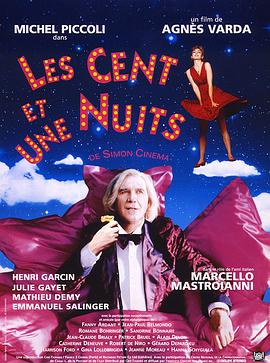
101夜
素有「新浪潮祖母」之称的导深安妮华达,以拟迈化及不受考据限制的嘉剧风格,来表达「电影一百周年」这个严肃的主题。已经一百岁的电影先生有感于生命稍纵即逝,遂雇用年轻女孩卡蜜帮助他对一百年来的电影纪事做一番回顾。家里就是一座博物馆的电影先生,对电影如数家珍,完全沉溺在往的的电影情怀中。卡蜜除了每天接受电影洗礼外,更因电影先生的关系,经常接触到许多大明星,如马斯楚安尼、杰哈德巴狄厄、凯萨琳丹妮芙、劳勃狄尼洛等,甚至连亚兰德伦听到电影先生病了都特地赶来看他……
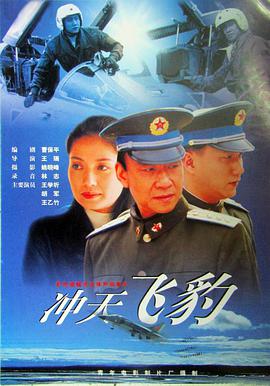
冲天飞豹
影片《冲天飞豹》讲述的是中国人民解放军空军前后两代试飞员如何飞出中国第一架国产战斗机"飞豹"的故事。首席试飞员孔凡和其战友凌知远情同师徒,但却性格迥异。年长的孔凡沉稳执著,年轻的凌知远血气方刚。由于工作性质的要求,他们随时都将面临生死的考验。作为一个普通人他们既有对美好爱情追求,也有对家庭亲人的眷恋。但为了掌握第一架国产战斗机"飞豹"的所有技术数据,他们不顾个人的得失和安危,一次次地从失败中寻找经验,终于顺利完成了"飞豹"的试飞工作。
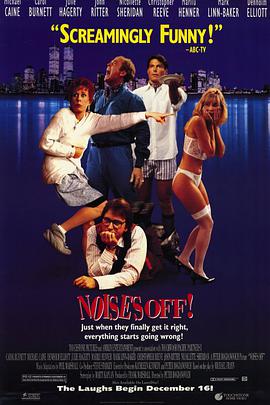
大人别出声
导演劳埃德(迈克尔·凯恩 Michael Caine 饰)所执导的话剧《一丝不挂》即将上演。在上演的前一天晚上,劳埃德带着他的演员们正在进行最后的排练,因为这是一场以群戏为主的话剧,所以劳埃德不希望他的演员们在舞台上有一丝一毫的失误,可是着八个演员各有各的想法,各有各的个性,想要将他们撮合到一起顺利出演谈何容易。
首演定在迈阿密,还有三分钟就要正式开始演出了,就在这个节骨眼上,布鲁克因为一点点小事情开始闹情绪,躺在地上不肯起来,而塞尔斯顿索性就失去了踪迹,根据他的尿性,估计又在哪里烂醉如泥了。面对如此状况百出的现场,这场话剧真的能顺利开演吗?

独眼巨人
剧情讲述了一位深入墨西哥无人之境,寻找她失踪丈夫的故事,他聘请的其中一名成员的扮演者就是著名的“小钱尼”,但是他却有着自己的目的,寻找镭元素,而小钱尼成功的演绎了这个不可琢磨和难以预料的角色。由于这块土地受到了很强的核辐射,一切的生物都有此变得非常巨大,但是这些怪兽的身体有时候会变透明,接着,这群人来到了大名鼎鼎的“布朗森洞穴”,她找到了她的丈夫,但是他已经变异成为了“独眼巨人。
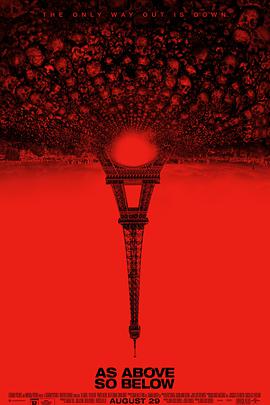
地下墓穴2014
伦敦大学的教授斯嘉丽(佩蒂塔·维克斯 Perdita Weeks 饰),年纪轻轻便拥有考古学、符号学等专业学位,更掌握四国语言。她的父亲曾经致力于点金石的探索研究,可悲的是最后死于非命。继承了父亲遗志的斯嘉丽在新近一次冒险中,从伊朗一座即将被炸毁的墓穴里找到了传说中的罗塞秘钥,这个关键发现可以帮她找到点金石的蛛丝马迹。为了实现这个目标,她请来班吉(艾德文·霍德吉 Edwin Hodge 饰)担任摄影记录工作,还拜托曾经与之一同出生入死的乔治(本·费德曼 Ben Feldman 饰)担任翻译。
这几个胆大妄为的年轻人,随后试图闯入埋葬着六百万尸体的巴黎地下墓穴探险,而恐怖的体验也就此展开……
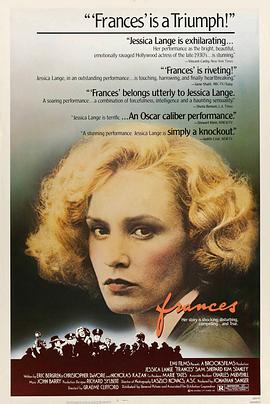
弗兰西斯
本片再现了悲剧人物弗兰西丝的人生遭遇,作为一名极有潜质的女演员,她因不甘老板摆布,不愿充当为好莱坞老板赚钱的机器,于是被打入冷宫,连一个小角色也演不上。生活的多方磨难,使她性格大变,最终在与警察的冲突中被强送入疯人院,在那个非人的地方,忍受了8年。她反抗、喊叫,换来的却是脑垂体被切除。1970年,她因癌去世。
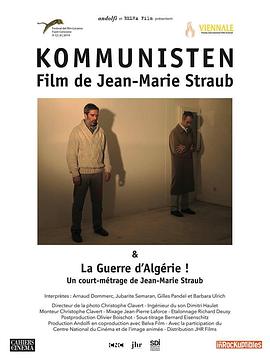
共产主义者
81-year-old master, Jean-Marie Straub, once again invents and surprises with his latest film. Kommunisten consists of six parts, five of which have been taken from his earlier works. Straub does not aim to be self-reverential, but instead wants to make different blocks (of text, time, and languages) clash so as to highlight invisible elements of feelings and politics. It is a film about human adventure, from the past century to the one ahead. In this project, all the things that the films of Jean-Marie Straub and Danièle Huillet have been based on for the past fifty years, find their most raw and recent form.
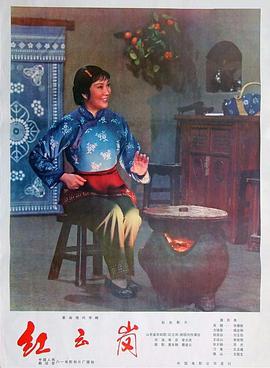
红云岗
一九四七年秋,国民党反动派垂死挣扎,重点进攻我山东解放区。我主力部队转移外线歼敌。解放军某部排长方铁军在狙击战中英勇负伤,追赶部队时,昏倒在山路上。地方党组织受部队委托,派人寻找未遇。敌人进入沂蒙山区后,为获取我军情报,命还乡团搜捕我伤员。 贫农出身的英嫂,上山挖菜,发现方铁军,用乳汁将他救醒,掩藏在红云岗,对他加以精心护理。英嫂和方铁军机智地与还乡团进行斗争,英嫂还说服胆小怕事的丈夫去东山送信。危机关头,村支书带领地方武装赶到,将还乡团全部歼灭。
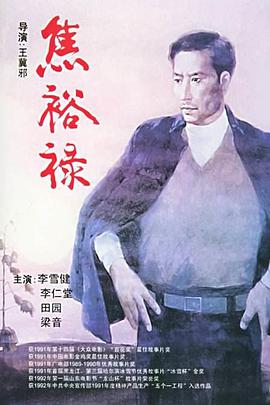
焦裕禄1990
1962年冬,焦裕禄(李雪健)被派往灾荒严重的河南省兰考县任县委第二书记,眼见街上成群结队的乞丐、纷纷逃亡外地的饥民,他心情十分沉重,下决心根治长期困苦兰考百姓的风沙、水涝和盐碱“三害”,不久,他在多次深入基层做调查研究的基础上,制定出治理“三害”的方案。但他深入群众的工作方式招致县长、县委副书记吴荣先(李仁堂)的不满。
升为县委书记后,焦裕禄不顾肝脏经常胀痛,几乎每日都坚持去治理“三害”第一线工作,很得人民爱戴,吴荣光指使人就某件事借题发挥想将焦裕禄整垮,结果全县群众聚在一起为他鸣冤。其后兰考遭遇特大水灾,焦裕禄的肝病虽然已到晚期,仍坚持去抗灾第一线。

垃圾男孩2014
拉斐尔是一个拾荒男孩,他在垃圾山每天靠筛分垃圾为生。然而一个幸运而又不幸的一天将他的世界就此改变。这天他无意拾到了一个小钱包,一个充满谜团、线索并足以改变一切的钱包。然而不久,拉斐尔和他的朋友便遭到了腐败警方的追捕,三个男孩便与警方展开了斗智斗勇的追逐。渐渐地,他们逐渐发现这里面是一个关于一位死去的男人未完成的使命,三个拾荒男孩决心接手这份使命,他们将要独自面对危机四伏的世界......
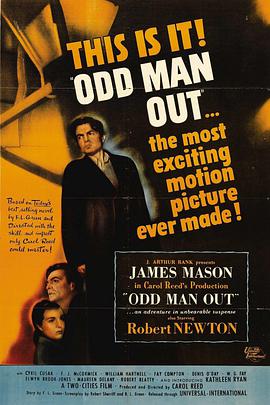
虎胆忠魂1947
故事发生在二十世纪初的北爱尔兰贝尔法斯特,刚刚出狱没多久的约翰尼(詹姆斯·梅森 James Mason 饰)参与了一次抢劫行动,并且为了掩护队友而遭到了警察的枪击,约翰尼失手打死了警察,惹上了重罪,成为了全城通缉的对象,身负重伤的约翰尼体力不支,昏了过去。
穷的叮当响的无赖汉谢尔(F.J.麦考密 F.J. McCormick 饰)发现了约翰尼的踪迹,在他的身上看到了发财的法子,他将情报通告给神父汤姆(W.G. Fay 饰),却被凯瑟琳(凯思琳·赖安 Kathleen Ryan 饰)发现。凯瑟琳赶在谢尔之前找到了躲在疯画家鲁奇(罗伯特·牛顿 Robert Newton 饰)家中的约翰尼,就这样,两个人踏上了逃亡的旅途。
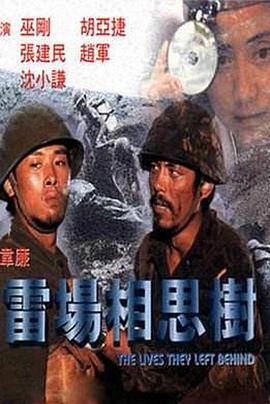
雷场相思树
对越自卫反击战前夕,来自五湖四海的学员们集中在陆军学院,积极报名请战,奔赴中越前线。他们中有来自农学院的刘国政(赵军 饰),有医学院毕业的丛培民(沈晓谦 饰),还有中文系高材生邱原(胡亚捷 饰),他们和“唱歌王子”尹默涛(巫刚 饰)、季刚(张建民 饰)等共同分配到边防部队某团。除了邱原被留在团部指挥所,其他四人全部上了一线部队。战斗开始后,由于敌众我寡,我军伤亡惨重,不安心团部“观景”的邱原坚决要求去前沿阵地,首长同意了他的请求。刘国政在用身体排雷中不幸牺牲,尹默涛也触发拌雷殉国,而丛培民也失去了一条腿,悲痛欲绝的邱原决心为战友报仇,他甩开拽着他的季刚,冲上阵地......
本片获第七届金鸡电影节特别奖。
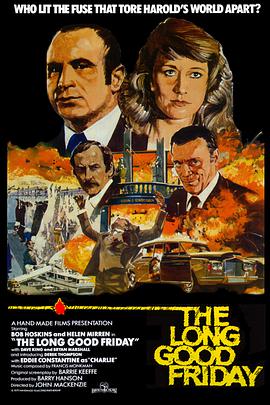
漫长美好的星期五
奥斯卡提名男演员Bob Hoskins在本片中扮演伦敦黑社会的一名凶残的帮派首领。但是一天他准备和一个美国犯罪家族达成一笔交易之际,他的整个“帝国”突然开始坍塌。是谁这么胆大包天来进攻英国最野蛮的黑帮?他又会怎样去找寻真相?到底这一切的背后是谁在搞鬼呢?
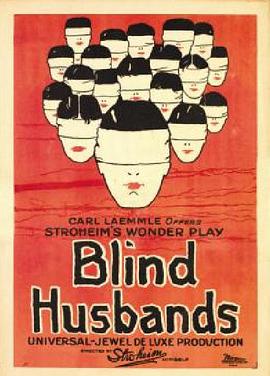
盲目的丈夫们
Two differences between this Austrian version and the generally available American version are immediately obvious: they differ both in their length and in the language of the intertitles. The American version is only 1,883 metres long - at 18 frames per second a difference of some 7 minutes to the Austrian version with 2,045 metres. Whereas we originally presumed only a negligible difference, resulting from the varying length of the intertitles, a direct comparison has nevertheless shown that the Austrian version differs from the American version both in the montage and in the duration of individual scenes. Yet how could it happen that the later regional distribution of a canonical US silent film was longer than the "original version"?
The prevalent American version of Blind Husbands does not correspond to the version shown at the premiere of 1919. This little-known fact was already published by Richard Koszarski in 1983. The film was re-released by Universal Pictures in 1924, in a version that was 1,365 feet (416 metres) shorter. At 18 frames per second, this amounts to a time difference of 20 minutes! "Titles were altered, snippets of action removed and at least one major scene taken out entirely, where von Steuben and Margaret visit a small local chapel." (Koszarski)
From the present state of research we can assume that all the known American copies of the film derive from this shortened re-release version, a copy of which Universal donated to the Museum of Modern Art in 1941. According to Koszarski the original negative of the film was destroyed sometime between 1956 and 1961 and has therefore been irretrievably lost. This information casts an interesting light on the Austrian version, which can be dated to the period between the summer of 1921 and the winter of 1922. Furthermore, the copy is some 200 metres longer than the US version of 1924. If one follows the details given by Richard Koszarski and Arthur Lennig, this means that, as far as both its date and its length are concerned, the Austrian version lies almost exactly in the middle between the (lost) version shown at the premiere and the re-released one.A large part of the additional length of the film can be traced to cuts that were made to the 1924 version in almost every shot. Koszarski describes how the beginning and the end of scenes were trimmed, in order to "speed up" the film. However, more exciting was the discovery that the Austrian version contains shots that are missing in the American one - shots/countershots, intertitles - and furthermore shows differences in its montage (i.e. the placing of the individual shots within a sequence). All this indicates that Die Rache der Berge constitutes the oldest and most completely preserved material of the film.
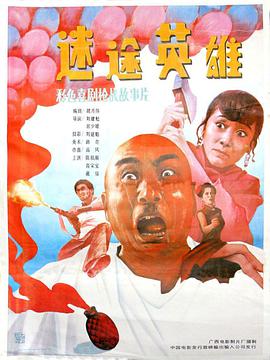
迷途英雄
九一八事变后,东北沦陷,天津某剧社演员陈彼得(陈佩斯 饰)不甘当亡国奴,立誓要做民族英雄。一日,正当剧院上演爱国题材话剧时,男一号罢演,救场如救火,导演(赵雍 饰)只好让陈彼得顶替,结果大获成功,台下看演出的宋将军(侯永生 饰)对陈的表演大加赞赏。当时宋将军来天津是为抗日部队采购军火,不料遭日谍龙太郎(陈佩斯 饰)刺杀,宋将军巧妙躲过一劫。龙太郎诱骗陈彼得再次行刺,结果阴差阳错,反而杀了龙太郎的人,宋将军大难不死,与彼得结下友谊。龙太郎闻讯恼羞成怒,四处追捕陈彼得,走投无路的彼得躲进一家整形医院,被医生按在手术室的床上,不由分说在脸上动了手术,手术后的彼得活脱脱变成了龙太郎。得知此情,龙太郎吩咐手下照自已的长相上街抓人,结果笑料百出……
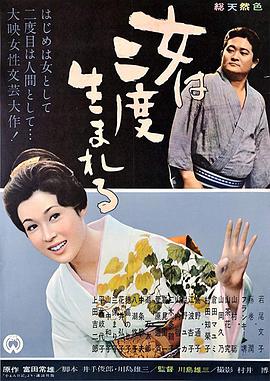
女人二度出生
靖国神社太鼓之音穿越花街,在妓院的和室间回荡。战后孤儿小圆修练声色艺,殷勤接待各式各样的恩客:儒雅建筑师、耿直寿司师傅,少不了也有猥琐老头;安身立命,当上建筑师妾侍亦甘之如饴。男人在身边离离去去,她的身与心仿佛也逐渐得到解放,发现不曾认识的自己。首个镜头已先声夺人,川岛雄三以切割构图、颠覆镜头及黑色幽默,为日本战后的颓败社会显影,亦为女性雕琢出自主轮廓。若尾文子绽放艳丽无垢的光芒,三十五袭华衣美服目不暇给,细腻演绎「那个她」到「这个我」的微妙蜕变;最后独自伫望登山索道,竟散发点点安东尼奥尼镜头下蒙妮卡维蒂的味道。电影旬报最佳女演员东京记者协会蓝丝带奖最佳女演员