
警察2011
Man到不行的特警亚隆相信纪律,相信个人得为团体牺牲;他与队友们兄弟情深,却面临出状况时得找个替死鬼扛责任的尴尬局面。富家女希拉加入左派团体、朗读口号,相信为了理想,必须压抑小情小爱。当看似毫无关连的两人命运交会时,他们对各自的立场,是否仍如此肯定?
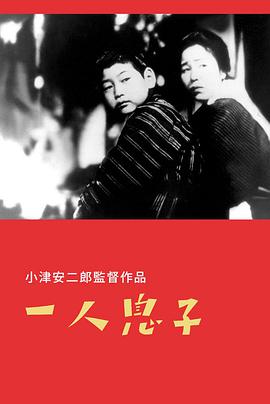
独生子
信州农村的单身母亲(饭田蝶子 饰)在纺织厂辛劳工作,以供养独生子良助(叶山正雄 饰)上学。即将毕业的良助经老师开导,决定继续学业,然家境贫苦令其迟迟无法张口。了解到儿子的心情,为了让他过上美满的生活,母亲决定无论如何也要将良助送入东京的大学。十三年岁月倏忽而过,成年后的良助(日守新一 饰)从学校毕业,娶妻生子,在东京安定下来,母亲则依旧留在信州农村。满怀希望的母亲前往东京,却发现当初自己倾心培养的儿子只担任夜班老师,收入微薄,过着清贫的生活。
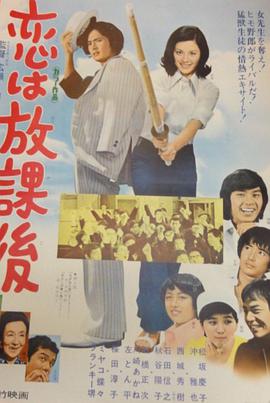
恋爱要在放学后
松坂慶子が初主演した学園青春喜劇。共演には沖雅也の他に、フランキー堺やミヤコ蝶々らベテランが脇を固め、西城秀樹、桜田淳子も登場する。西城秀樹の「ちぎれた愛」、桜田淳子の「わたしの青い鳥」が挿入歌として使われている。
新天地に夢を求めて、東京から西伊豆の港町にある高校に美人教師・三村靖子が転任してくる。ところが、生徒たちはチンピラ同様の生活をしている猛獣のような連中ばかり。靖子は、一念発起、ラクビー部を創設し彼らの更正に乗り出すが、彼らの兄貴分であるストリップ興業師の祐吉とのあらぬ噂が立ってしまい…。

独立愚连队西行
抗战中后期,山西玄武关附近,日军步兵463联队遭八路军毁灭性围歼,全员团灭,代表日军荣耀的军旗不知去向,日军遂命令一支不受人待见的独立愚连队“左文字小队”前往全力搜索军旗,而八路军游击队等各方部队也展开了围抢军旗行动,一场别开生面,哭笑不得的军旗争夺战就此拉开帷幕。。。。
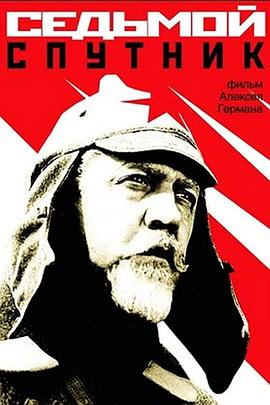
第七个同行者
The Seventh Companion (Russian: Седьмой спутник, translit. Sedmoy Sputnik) is a 1967 black-and-white Soviet film set in St. Petersburg in the years following the Russian Revolution its title is commonly translated as The Seventh Companion. The film marked the directorial debut of Russian director Aleksei German, who co-directed it with Grigori Aronov.
The film is based on a novel by Boris Lavrenyov.
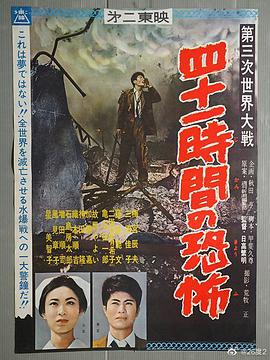
第三次世界大战 四十一小时的恐怖
美国空军飞机偶遇朝鲜的核弹,这个国家准备在中国和苏联的协助下与美国展开战争,而在日本东京一家报纸的记者覆盖了美国军队准备在附近的一个空军基地动员,而他的护士女友与民防组织准备迎接即将到来的核毁灭。

茶泡饭之味
出身信州农村的佐竹茂吉(佐分利信 饰)与出身上流社会的千金小姐妙子(目暮实千代 饰)结婚,七、八年的婚姻生活并未弥合二人原本出身的差距,反而因生活习惯的差异使他们之间矛盾丛生。佐竹生活上不修边幅,抽便宜烟,吃茶泡饭,坐三等车厢。妙子受不了丈夫的“低级”生活习惯,时常背着他和学生时代的好友出玩游乐。
两人的矛盾在对侄女婚事的看法上激化,妙子不辞而别,跑去神户同窗处散心。佐竹突然接到赴南美公干的任务,收到电报赶回的妙子发现家里已空无一人。当她终于感到失落时,飞机延误改为次日出发的佐竹却回到家中,夫妻二人共进一顿别样滋味的茶泡饭……

良宵苦短
乔治(查尔斯·博耶 Charles Boyer 饰)是一名拥有罗马尼亚血统的法国人,为了能够赚钱养活自己,乔治如今在墨西哥从事着出卖自己身体的行当。乔治最大的梦想就是有朝一日能够前往美国,获得美国的国籍,摆脱自己可悲的过往,为此他制定了一个周密的计划。
乔治决定找一个美国女人结婚,这样他就可以顺利成章的成为美国人,然后再一脚将这个可怜的女人蹬掉,之后接自己真正心爱的女人阿妮塔(宝莲·高黛 Paulette Goddard 饰)来美国一起生活。虽然不愿意将爱人拱手让人,但阿妮塔知道,想到得到任何东西,首先都得付出些什么。很快,乔治在美国就遇见了名为艾米(奥利维娅·德哈维兰 Olivia de Havilland 饰)的女子。

恐怖博士费比斯
伦敦数名医学博士接二连三的诡异惨死引起了警方的重视。经过调查Trout督查发现这几名死者的致死手法都出自于埃及十灾的典故,而他们的唯一共同点是都曾和Vesalius博士在一次失败的手术中共事过。而手术中意外死去病人的丈夫Anton Phibes博士成为了最大的嫌犯,但Vesalius博士却告诉Trout督查Anton Phibes博士却早已在车祸中丧生……

触不到的肌肤
情侶,朋友,兄弟。每一段關係都掀起周遭的疑惑。父親去世後,Chihiro搬與同父異母的兄弟Togo居住。雖然Togo及其女朋友Satomi熱烈歡迎Chihiro,但難以磨滅的寂寞卻纏繞著他,令他只醉心與朋友Naoya一起排練現代舞。然而這時,小鎮上出現了令人不安疑惑的事件。緊張的氣氛,純粹的舞蹈,謎一般的觸碰成為濱口竜介導演即將拍攝的電影《泛濫》前傳。
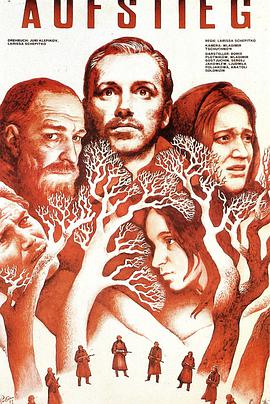
上升1977
俄国战争期间,一支红军游击队遭到德国军队伏击,被困山林。游击队员索特尼科夫(Boris Plotnikov 饰)和雷巴克(Vladimir Gostyukhin 饰)奉命离开部队,寻找补给。两人穿过茫茫雪原,在某个信奉基督的村长(Sergei Yakovlev 饰)家中寻得一头羊。返回途中却因迷路与一小股德国士兵遭遇,枪战中索特尼科夫负伤,两人奋力逃脱,躲进一户人家。不久后三个白匪不期而至,并发现他们的行踪。
成为俘虏的索特尼科夫和雷巴克被带入德国军营,共同面临着人生最大的考验……
本片根据贝科夫的中篇小说《索特尼科夫》改编。


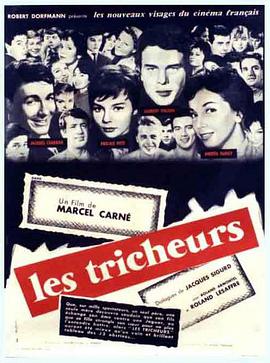
不安分的年轻人们
Middle class student Bob Letellier enters a new world when he meets Alain, a free-thinking rebel who, along with his group of young Parisians, has opted for a life of instant gratification instead of work and commitment. At a party, Bob meets a young woman, Mic, who appears to be just as carefree and cynical as Alain. Mic's only dream is to own a luxury car, and with Bob's help, she manages to find the money to but it. Mic's friend Clo discovers she is pregnant and, not knowing who the father is, she asks Bob to marry her. When they next meet at a party, Bob and Mic deny that they have any feelings for one another - a declaration that soon leads to tragedy...
Marcel Carné is widely regarded as one of the standard bearers of French quality cinema of the 1930s and 1940s, responsible for such masterpieces as Quai des brumes (1938) and Les Enfants du Paradis (1945). How ironic then that, in 1958, towards the end of his film-making career, he should make a film which dared to portray the attitudes and behaviour of the 1950s youth, in a way that effectively captures the mood and sentiment of the time.
Les Tricheurs was a hugely controversial film, not least because of its blatant depiction of adolescent free-love, and was even banned in some regions of France. It also received some intensely unfavourable reviews, most notably from the young hotheads on the Cahiers du cinéma such as François Truffaut who cited this film as a prime example of the decline of French cinema into mediocrity. In spite of all this negative press, the film proved to be an astonishing commercial success, attracting five million cinema-goers, and was awarded the Grand Prix du Cinéma français in 1958.
Whilst Les Tricheurs is not as flawless as Carné's earlier masterpieces, it is nonetheless a significant work, having the power to both shock and move its audience, whilst having great entertainment value. It evokes the mood of its time in a way that few French films of this period did, depicting young people as pleasure-seeking rebels, rejecting the austerity and discipline of the previous generation whilst pursuing a life without cares, responsibilities or love. Similarities with James Dean's films of the 1950s (most notably Rebel without a Cause) are apparent, although Carné's treatment of young people is far more abstract - in his film they merely symbolise a world that has lost its way, more or less victims of post-war prosperity. Although the young people in Les Tricheurs lack the authenticity to be totally credible, the film does make an important, and indeed quite disturbing point, about where the permissive society may be heading.
Much of the pleasure of the film is in the performances from its four lead actors, Jacques Charrier, Pascale Petit, Laurent Terzieff and Andréa Parisy, although only Terzieff is really convincing in his role. Marcel Carné originally considered Alain Delon and Jean-Paul Belmondo for the parts of Bob and Alain respectively, before opting for Charrier and Terzieff. As a consolation, Carné offered Belmondo a smaller part in the film - alas too small for the actor to be noticed by the public. Belmondo's breakthrough had to wait until the following year when he starred in Jean-Luc Godard's revolutionary A bout de souffle, a film which offers a very different perspective of the youth generation.
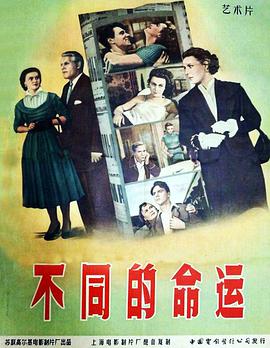
不同的命运
塔尼雅、索尼雅、费嘉和斯切潘这四个青年,是同学也是好朋友,他们一起从中学毕业出来,都在判处着自己的前途,塔尼雅为了想混一张文凭,决定进大学,费嘉打算半工半读来继续深造。索尼雅却认为不如先去工作,斯切潘同意她的主张,可是要离开列宁格勒,因为他既不说祝愿塔尼雅,又不愿破坏费嘉的幸福,而索尼雅对他的一番心意,他也无动于衷,于是就毅然的乘上了开往诺沃西比尔斯克的列车,离开朋友们走了。
塔尼雅不久就和费嘉结了婚,可是这个怀有强烈虚荣心的姑娘,丝毫也不珍惜费嘉的优良品质和对她的神情,为了满足她个人的欲望,竟又和音乐家罗申发生了不正当的交往,罗申虽然年老,但他有钱,有地位,有名望,这正是塔尼雅盼望着的东西,为了获得这些东西,对费嘉的劝阻和痛苦,她一点也不放在心上。
索尼雅进炼钢厂当了化验员。由于一直念念不忘的在想着斯切潘,她宁愿离开列宁格勒这个大都市,要求组织上把她调到了那个边远的小城诺沃西比尔斯克去工作。
在诺沃西比尔斯克的斯切潘,白天在炼钢厂工作,晚上在夜大学读书,他的坚强性格和不懈的努力,使他在工作上获得了成就,被提升为车间主任,并且入了党,列宁格勒的冶金学院决定邀请他去做新工作方法的报告,当塔尼雅从报纸上看到了这条消息之后,对这个本来不中意的老同学,却发生了极大的兴趣,在她看来是甩掉罗申另谋发展的机会到了,于是斯切潘一到列宁格勒,她就毫不放松的施展出了惯用的手段,企图把这个新对象猎取到手。
可是这一次她却失败了,费嘉和斯切潘这两个好朋友,虽然为她发生了一次短暂的误会,但终于真相大白,斯切潘也从此看清了她的真面目,并因而体会到了那个长期以来专心一意热爱着他的索尼雅的感情,回到诺沃西比尔斯克之后,就和索尼雅结了婚。
不幸的费嘉受了塔尼雅的刺激,生了一场严重的心脏病,但来自异地的友情和帮助,使他得到了极大的温暖,病愈之后,他也踏上了开往诺沃西比尔斯克的列车。在那里等待着费嘉的不仅是朋友,还有工作。
只有塔尼雅,她想要得到一切,结果却什么也没有得到,她开始感觉了自己的孤立,这能怨谁呢?是她自己决定了自己的命运。
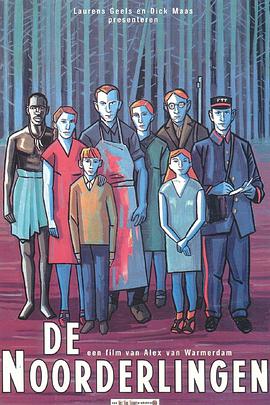
北方小镇奇谈
在一个边远的北方小镇,一条街,一边住户,一边商家,组成了完整而破败的社区。
12岁的男孩托马斯(Leonard Lucieer 饰)成天将自己打扮成黑人模样,宛如他所崇拜的刚果领袖Lumumba。男孩的妈妈玛莎(Annet Malherbe 饰)因听到圣音教诲而成为信女,并拒绝和丈夫行房。身为屠夫的爸爸雅可布(Jack Wouterse 饰)饱受性欲煎熬,只能在店里偷窥别的女人。
邮差普莱格(Alex van Warmerdam 饰)是托马斯的唯一好友,他的爱好是偷拆他人信件。护林员整日荷枪实弹巡逻,三番五次向邮差找茬。某天,一个黑人的到来搅乱了小镇看似平静的生活……
玻璃精灵
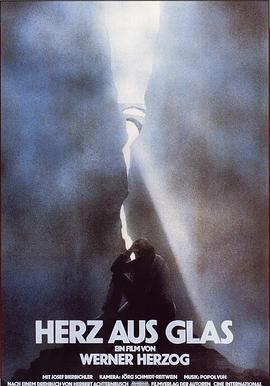
这是一部末世纪寓言故事,晦涩但富有视觉表现力。
故事描述一个以玻璃制造为生的村镇,玻璃厂的工头死了,也带走了生产红宝石玻璃的秘方。工厂主想尽一切办法试图找回配方,却徒劳无功。
预言家海斯预测的坏事都变成现实,在村民中引起恐慌。海斯还预言玻璃工厂将被烧毁,人们相互仇视残杀,战火在世界各地燃起。后来预言果真应验,工厂主在绝望之中烧了工厂,人们的忍耐也到达了极限....
影片的结尾,在世界边缘的一个小岛上,一些人为了探索世界的真相,驾着小船开始了新的冒险之旅....

为年轻刽子手的辩护
本片堪称一部现代版的“格利佛漫游记”,改编自斯威福特愤世嫉俗的社会政治讽刺名著。Lubomir Kostelka扮演现代格利佛,在一次翻车后他突然醒来,走过一片森林后,他开始寻找一个神秘的国度勒普泰,因为他听说那是一个美好的地方,在路上他发现了一只死去的穿着人的衣服的兔子,从它的口袋中拿出来一块怀表,他发现那怀表的时间是反向走的,于是他继续往前走,遇见了形形色色奇怪而复杂的人和事,一场荒诞的超现实历险就此展开
《为年轻刽子手的辩护》被国际上公认为祖拉契克最完美的电影杰作,是60年代捷克新浪潮电影运动中最重要也是最“声名狼藉”的一部作品。这部狂热的,稀奇古怪的政治讽刺剧完成于苏联坦克入侵之后,在其上映后立刻被当局封禁,并永远终结了祖拉契克的电影生涯。大胆的,创新的和绝对荒诞主义式的影像,《为年轻刽子手的辩护》是电影史上对格利佛漫游记最疯狂的一次改编,全片几乎摆脱了所有剧情和思维逻辑的形式和束缚,让观众们完全进入一个象征主义和符号主义的幻想世界。作为影史上所公认的“最伟大的超现实主义电影杰作之一”,这部影片呈现给我们无数古怪而充满隐喻性的画面,一只身穿衣服的兔子,一座专门研究发明创造的高等学校但里面所有的学生都是从不说话的,一个精致的“手工提供动力”的思想机器,一个没有一年中的第九个月份的国家(为了避免流感的流行)。。。我们的英雄格利佛经历并发现了这一切,在他从小人国到Balnibari前往勒普泰的路程中。“这部影片包含了所有能超出你想象的荒诞剧元素,超现实主义元素和讽刺剧元素,是乌托邦式的政治讽刺剧和怪诞的童话故事的一次完美融合。”(鹿特丹国际电影节评语)
关于导演:
帕维尔.祖拉契克(1935-1989),捷克新浪潮电影运动中的天才导演/编剧/制片人,被誉为“捷克新浪潮电影革命中真正的灵魂”,作为整个东欧电影新生运动中最独特的剧作家之一,他创作了好几部在捷克和东欧电影史上占有重要地位的影片,1963年由他所编剧,Jindrich Polak导演的《Ikarie XB-1》是电影大师库布里克最钟爱的十部影片之一,同时也是影响其《2001太空漫游》创作的灵感源泉,1964年为捷克动画大师Karl Zeman所创作的《The Jester's Tale》是一部融合了动画,真人和奇特摄影术的幻想片经典,1966年他与新浪潮另一位著名剧作家Ester Krumbachova共同创作了《Daisies》,由Vera Chytilova执导,成为新浪潮中最独特的一部杰作,一年后他又为捷克科幻电影大师Jan Schmidt编剧了其最好的作品《End of August at the Hotel Ozone》;作为制片人,他是Vera Chytilova的名作《天堂的果实》(1969)和Jiri Menzel最富传奇色彩的电影《弦上的云雀》(1969年拍摄,1990年解禁)的执行制片;而作为一位极具创新意识的电影导演,他一生却只拍摄了两部长片和一部短片,由于69年的《为年轻刽子手的辩护》中对共产主义和极权主义的批判和讽刺,影片被当局禁映并永远禁止祖拉契克再拍摄任何影片,两年后,祖拉契克也被免去了在Barrandov电影工作室的工作,1977年他被迫流亡西德,经过6年不得志的生活后回到祖国但依然看不到重新创作电影的希望,1989年,就在捷克共产主义政权垮台的前夕,郁郁寡欢的祖拉契克在布拉格永远闭上了眼睛,终年只有54岁,他成为捷克20年的共产主义极权专政下少有的被终生禁止拍片的捷克电影导演,而他的悲哀逝去,在后来被公认为极权主义摧毁践踏所有艺术创作和优秀电影人所犯下的最惨痛的一次伤亡,世界上从此失去了一位具有创新和独特的个人风格,堪称能与费里尼媲美的电影天才。纵观他的电影生涯,几乎每部创作的作品都堪称经典,尤其是其仅存的两部导演作品更是充分展现奇思妙想的电影杰作,而由于他的影片存世很少也极难看到,以至于至今这位电影奇才依然默默无闻,2004年8月,纽约著名的CINEMATHEQUE实验院线与布拉格国家电影资料馆在两地共同举办了祖拉契克的电影回顾展,取名为“为帕维尔.祖拉契克的辩护 -- 重发现一位捷克新浪潮电影大师”,向世界范围内推荐并缅怀这位英年早逝的东欧电影奇才。
一点个人感受:
《为年轻刽子手的辩护》祖拉契克的第二部长片也是其最后的一部作品,被后来者公认为继齐蒂洛娃的《雏菊》之后最具独特魅力的新浪潮电影,而两部影片的编剧同为祖拉契克。影片从一开始就给我们展现出一个奇特的超现实世界,一个男人开着车在空无一人的乡间山道上行驶着,突然车子翻下山谷,镜头一转,男人睁开眼,原来是一场梦,男人继续往前走,一只穿着衣服的兔子死在路中间,男人俯身下去拿出衣服口袋中的一块怀表,赫然发现指针是倒着转的,男人继续往前走过一片田野,来到一座空无一人的白色建筑前,走进去,里面杂乱无章,墙壁上挂着一件和兔子身上一模一样的衣服,男人自然上去摸摸口袋,突然总口袋中飞出无数蝴蝶,男人本能地闭上眼,等他再睁眼一看,所有杂乱的东西都消失了,而自己却身处一个一尘不染的白色大厅中。。。之后突然晃动的地板,从房顶上坠落却突然进入一个陌生的房间,一群人仰头观看一头牛被判的绞刑。。。无数具有象征主义的画面和高超的剪辑技巧使这部影片成为一部完全以影像说话的杰作,这部影片在超现实的影像上绝不亚于布努艾尔和达利的《安达卢奥犬》或《黄金年代》,而被送上绞刑架的牛则暗示着极权主义的最终命运。影片中那些精致而有创意的摄影来自新浪潮著名的电影摄影师Jan Kalis。

爱的困惑1998
一个英国钢琴家,却是从不公开演奏的钢琴家,住在一所古老的大房子里。主人过着与世隔绝的日子,只与音乐为伍。而她,来自非洲,丈夫因政治而被抓,她不知缘何来到罗马,成了古怪钢琴家的房客、管家,挣来的钱念医学院 。她的音乐是充满节奏的,她也是活生生的,在为生存而奋斗。住在楼上的古怪的钢琴家以他奇怪的方式迷恋住在楼下的非洲女子。钢琴家有一天突然抓住那女子,说他爱她。她对钢琴家无动于衷,她说她结婚了,丈夫在非洲的监狱,“帮我把丈夫弄出来!”她说。他道歉,从此不再旧话重提。但是慢慢地,她发现老屋中的艺术品一件一件神秘地消失了,最后连钢琴都被吊走了,这时她接到了丈夫的信息,他要来了。她知道这是钢琴家变卖家产贿赂的结果。而她的选择呢?
冬天的故事1992
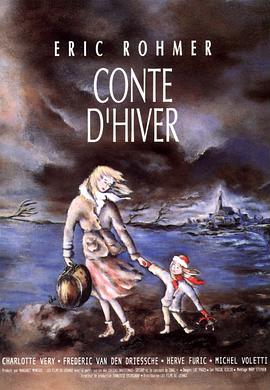
侯麦著名系列作品“四季的故事”之一。菲利茜(夏洛特·海瑞 Charlotte Véry饰)和查理(费德瑞克·范丹狄德夏 Frédéric van den Driessche饰)在海边浪漫相恋之后,因为一时不留神留下了写错的地址,而导致了二人再也找不到彼此。菲利茜生下了查理的孩子,但5年来却再也没有查理的音讯。
生活还在继续,菲利茜遇上了喜欢她的一些男子,他们也不失为好男人,足够爱自己。比如成熟体贴的马桑(迈克尔·瓦雷蒂 Michael Voletti饰)和才华横溢的路易(Hervé Furic饰)。然而,在菲利茜的心中,查理却仍旧是个挥之不去的至爱之人。她不是不爱他们,只是无法爱到能和他们一起生活。她和路易一起看莎士比亚的歌剧《冬天的故事》,为里面的人物悄然落泪,也许她和剧中人一样,也在坚守着一个信念。
终于某个冬天,菲利茜和查理竟然在公车上重遇,执着的梦想等来了实现的一天。
