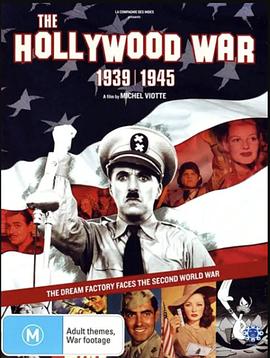
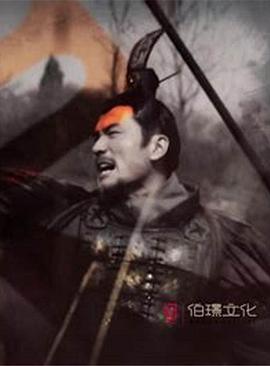
Responding to the call of President Roosevelt, the eight major Hollywood studios devoted their resources and talents in the service of the war effort. Feature films, documentaries, cartoons: thousands of films are produced for the general public or the different branches of the military. All serve a purpose: to motivate the commitment of new recruits, assist in the training of troops or to the organisation of the home front and denounce the Nazi ideology to exacerbate the patriotic feeling…
The greatest male stars of the time put on the uniform: Clark Gable, James Stewart and Tyrone Power all actively participate in combat while Marlene Dietrich, Bette Davis and Rita Hayworth mobilise to raise funds or entertain the troops.
All producers, actors and directors, from the most famous stars to more anonymous technicians answer the call of the government to set up a giant propaganda machine and produce hundreds of films to support the American War effort.
THE HOLLYWOOD WAR portrays this unique venture and offers an original look into the Second World War, the history of America and the cinema.
Future Firepower is a brand new series taking a look at new weapons being developed from high tech remote controlled weapons and devastating rapid firing machine guns, to next generation rocket launchers. Future Firepower gives an insight into each weapon and what catastrophic destruction it can cause through demonstrations with members of the military.
Episodes include…
Rogue State(流氓国家)
Super Powers(超级大国)
Asymmetric War(不对称战)
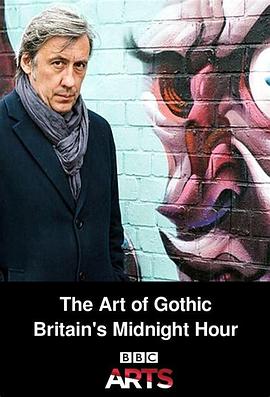
In a three-part series, Andrew Graham-Dixon looks back at 19th century Britain and its obsession with all things Gothic. The series explores how an inspired group of architects and artists spurned the modern age, turning to Britain’s medieval past to create some of Britain’s most iconic works and buildings.
Inspired by the tumultuous Industrial Revolution, John Ruskin was among those who created architectural wonders, using the cutting edge of technology to create a brand-new British style of architecture. While in art and literature, the Gothic allowed Horace Walpole, Bram Stoker and Dickens to capture the terror, weirdness and social ills that plagued Victorian Britain.
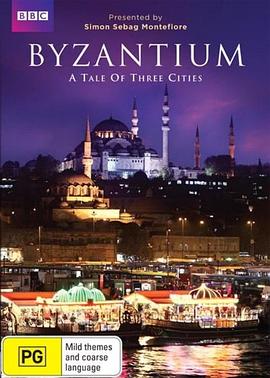
Simon Sebag Montefiore charts the rise of Istanbul from pagan trading post to capital of three empires and two religions, becoming not only holy but the most coveted city in the world.
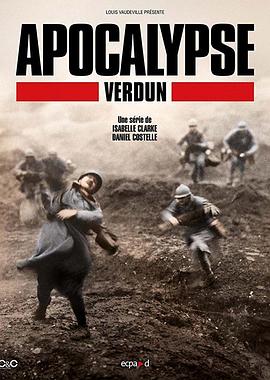
A gripping and shocking documentary composed of numerous colorized archive footage. Apocalypse: Verdun takes us to the infamous and bloody battle of Verdun that occurred in February 1916, when World War I had been raging for two years.
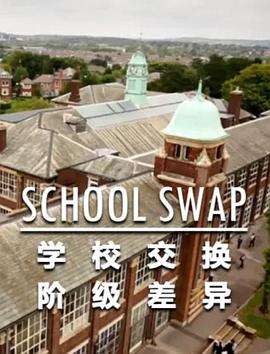
A Very Public Education will see the headteacher and a small group of Year 9 and 10 pupils from one state secondary school and one private, boarding secondary school swapping places to spend a week immersed in the school life of the other.
By filming the experiences and reactions of the individuals involved and those around them in each school, the series aims to provide an insight into some of the key differences between the two sectors at a time when education is a political battlefield and the broad perception is of a gulf in standards between them.
With more than a third of the current cabinet having emerged from fee-paying schools and regular reports about state school pupils falling behind their privately-educated counterparts in landing places at the best universities and the best jobs, the programmes will set out to explore the social, economic and educational challenges and differences that face both groups. But, over the two episodes, it will also seek to highlight shared experiences to see what they can potentially learn from each other.
The two schools involved are The Bemrose School, in Derby and Warminster School, in Wiltshire.
Both schools are mixed gender and the pupils taking part in the swap are drawn from pupils aged 13-15 from Years 9 and 10.